Unveiling the Hidden Festivals of Japan: Beyond Cherry Blossoms and Lanterns
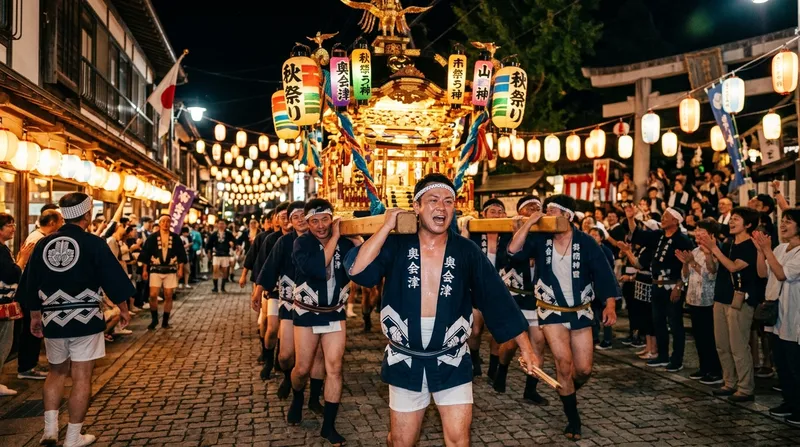
Japan is often celebrated for its iconic cherry blossom festivals and the serene beauty of its floating lanterns. However, step off the beaten path, and you'll encounter a treasure trove of festivals that pulsate with life, color, and tradition, inviting you to immerse yourself in a uniquely Japanese cultural experience.
Beyond the Mainstream: A Journey into Japan's Lesser-Known Festivals
These hidden festivals may not always make the brochures, but they offer an authentic glimpse into the heart of Japanese culture. Here, the traditions are cherished, passed down through generations, and celebrated with as much fervor as the more widely known events.
1. Hadaka Matsuri: The Naked Festival
Every February in Okayama, thousands of men brave the cold at the Hadaka Matsuri. Wearing nothing but a minimal loincloth, these participants gather at the Saidaiji Temple, eagerly pursuing a pair of sacred sticks believed to bring good fortune. This daring festival is deeply rooted in religious beliefs and Shinto practices, providing a spiritual cleansing and a chance to invite luck in the year ahead.
2. Oga no Namahage: Demons of the New Year
In the snowy realms of Akita Prefecture, the Oga no Namahage festival takes place each New Year's Eve. This eerie and thrilling experience involves men dressed as namahage—deity-like demon figures—who roam the villages, visiting households to admonish children for bad behavior. The festival serves to ward off evil spirits and teach younger generations the value of hard work and diligence in a most memorable way.
3. Awa Odori: Dance of the Foolish
Amidst the heat of August, Tokushima City erupts into dance with the Awa Odori festival. Known as the "Dance of the Foolish," this carnival-like event draws enthusiasts from all over the world, eager to join the thousands of dancers gracefully swaying through the streets to lively traditional music. The joy and unity shared during this festival embody the carefree spirit of its motto: "It's a fool who dances and a fool who watches, so you might as well dance!"
The Cultural Significance Behind These Celebrations
Each festival offers a lens through which we can view the cultural fabric of Japan. These events are not merely for entertainment—they are vital cultural expressions that uphold local traditions and foster community spirit. Understanding the origins and meanings of these festivals provides a deeper appreciation of Japan's societal values.
Tradition Meets Modernity
Many of these festivals might appear to be relics of the past, yet they continue to provide a bridge between ancient customs and the modern world. As Japan advances technologically, festivals like Hadaka Matsuri, Oga no Namahage, and Awa Odori remind communities of their roots.
Community and Continuity
Festivals act as pivotal events on the annual calendar, anchoring the community with shared purpose and joy. They unite generations, allowing older participants to pass down stories and customs while younger members infuse them with new energy. This intergenerational collaboration is vital for the survival of these vibrant traditions.
Experiencing the Festivals: Tips for Travelers
1. Respect the Customs: Engage respectfully with locals and observe the customary practices of each festival. It is a great honor to be welcomed as an observer of these traditions.
2. Plan Ahead: Many festivals occur in remote areas or during seasons of high demand. Early planning for accommodations and travel can ensure a more enjoyable and stress-free experience.
3. Participate: Don't just watch—jump into the dance at Awa Odori or take up a place along the snowy paths of Oga. An active role in the festivities can turn your travels into lifelong memories.
4. Capture the Moment: These unique festivals offer fantastic photography opportunities. Capture the vibrant colors, the spirited dances, and the intimacy of cultural rituals—but always ask for permission and respect privacy boundaries.
Conclusion
Venturing into Japan’s lesser-known festivals opens the door to a profound cultural connection that transcends the ordinary tourist experiences. Each festival plunges you into a whirlwind of tradition and modernity, challenging the boundaries of culture and spectacle. Whether it’s the fierce endurance of the Hadaka Matsuri, the playful warnings of the Namahage, or the spirited dances of the Awa Odori, there's a story to be discovered and a unique Japan to be experienced in each celebration. Embrace the opportunity to be a part of these living stories, and return home with a soul enriched by Japan's vibrant culture.