Guardians of the Sacred Waters: Unveiling the Cultural Reverence of Japan's Shinto Water Rituals
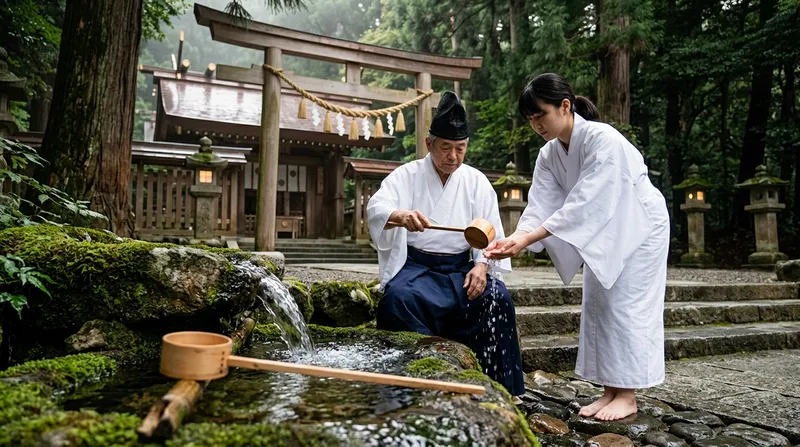
The gentle rustle of cherry blossoms, the melodic trickle of a brook, and the sheer tranquility of a Shinto shrine—Japan is a land where the reverence for nature permeates every facet of life. Central to this reverence is water, regarded as a vital element of purification and spiritual renewal. Shinto, Japan's indigenous faith, encompasses a rich tapestry of rituals, many of which honor this life-giving resource. Join us as we explore the captivating world of Japan's Shinto water rituals, a cultural expanse where the sacred and the natural are brilliantly intertwined.
A Sacred Element: The Cultural Significance of Water in Shinto
In Shinto belief, nature is imbued with divine spirits known as kami. Among these spirits, water holds a place of profound importance, symbolizing purification and new beginnings. Water's role in Shinto rituals, known as 'misogi', involves the ritualistic cleansing of both body and spirit. This practice is not merely symbolic; it is a deeply spiritual experience that connects practitioners with the sacred essence of life itself.
The veneration of water dates back centuries, intertwined with the cycles and rhythms of agrarian society. It manifests during significant life events and seasonal ceremonies, where adherents seek to purify themselves before approaching kami or celebrating auspicious occasions. Water's presence is felt within every shrine, major or small, representing a conduit between the physical and spiritual realms.
The Rituals: Misogi and Beyond
Misogi: The Heart of Purification
Misogi, a purifying ablution, is a cornerstone of Shinto practice. Often conducted before dawn, participants submerge or stand beneath a waterfall, letting its cool, cascading waters cleanse them. This act is not for physical cleanliness but to clear the mind and spirit of sullenness and impurity.
The essence of misogi lies in its engagement with nature. Practitioners experience a profound connection with the elements, enduring immersive coldness to achieve a heightened state of spiritual clarity. As the waters ripple over them, they are said to emerge renewed—a canvas made clean for divine inspiration.
Misogi at Shirataki Waterfalls: A Living Tradition
Among the secluded corners of Japan, the Shirataki Waterfalls in Honshu offer an intimate setting for misogi. Here, in the embrace of verdant canopies and expansive skies, modern adherents and visitors partake in this ancient tradition.
In winter, devotees clad in white robes gather before the tumbling falls. Accompanied by chants and rhythmic percussion, they step into the icy torrents, invoking blessings for themselves and the world.
Seasonal Celebrations: The Ritual of Nagashi
Beyond the personal solemnity of misogi, seasonal water rituals such as 'nagashi' weave communal bonds. Celebrated during summer festivals, nagashi involves the ritual sending of offerings down rivers, signifying the community's prayers for a bountiful harvest and well-being.
One of the most evocative manifestations of nagashi is seen during the Obon festival—a time when Japanese honor the spirits of ancestors. Here, lanterns or paper boats carrying illuminated candles drift on tranquil waters, lighting the spirits' path back home. This poignant ritual transcends time, beautifully encapsulating the interplay of life and afterlife.
Deep Reverence: Shinto Shrines and Omizu-tori
Shinto shrines, scattered throughout Japan, stand as testament to the enduring relationship between people, nature, and water. At the Todaiji Temple in Nara, the annual Omizu-tori ceremony is a spectacle of both tradition and community cohesion.
Translating to 'water drawing', Omizu-tori dates back over twelve centuries. Each March, monks extract sacred water from a well said to contain divine properties. As they distribute this water, it is believed to bring purification and prosperity to all attendees.
The ceremony is a breathtaking display of communal tradition, underscoring the united strength that comes from cultural rituals preserved through the ages.
Embracing Tradition: Participating With Respect
For travelers seeking to witness or partake in Shinto water rituals, mindfulness and respect are paramount. Participation typically requires an invitation or following guidance from a knowledgeable practitioner. Even as an observer, understanding cultural significance enhances the experience, enriching one’s appreciation of these time-honored practices.
Reverence for the natural world is reflected in each aspect of Shinto culture. This respect extends beyond the ritual, enveloping sacred spaces with silence, as visitors tread lightly upon hallowed ground.
Conclusion: The Fluidity of Belief
Japan’s Shinto water rituals hold in them the gentle yet powerful acknowledgment of water’s purifying essence. Beyond the veil of ceremony, they remind us of nature's enduring presence in our lives—a force to be respected and celebrated.
The rituals stand not only as acts of devotion but as timeless paintings illustrating the human desire to remain intertwined with the earth. In each droplet, there is a testament to life’s fluidity, a dance between nature and spirit that flows through Japan's cultural veins.