Ceremonial Feasts: A Tantalizing Journey into the Culinary Opulence of Peru's Pachamanca
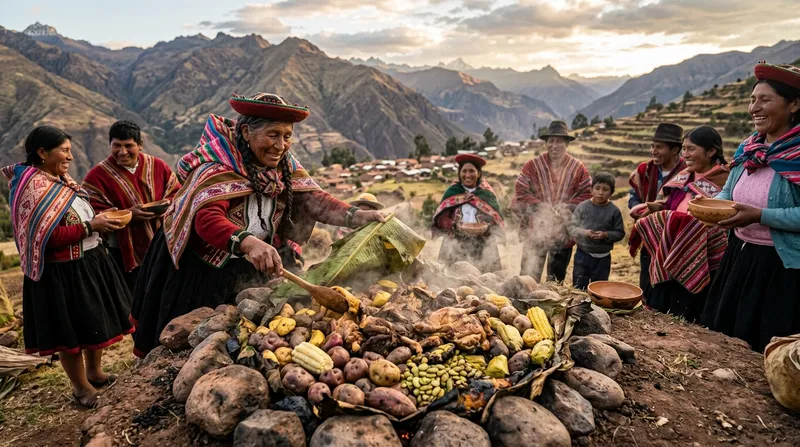
The alluring topography of Peru is not just about its breathtaking Andes or the enigmatic echoes of Machu Picchu. Here, a different kind of enthrallment lies, one that sizzles below the humble surface of the earth. This story is woven into the very soil — the tradition of Pachamanca.
The Cultural Tapestry of Pachamanca
Pachamanca, meaning 'earth oven' in Quechua, is a practice hailing from the indigenous communities long before the Inca thrived. Rich in history, this cooking method transforms a banquet of marinated meats, potatoes, corn, and Andean roots, all cocooned in layers of aromatic herbs and hot stones. As enchanting as it sounds, it is more than just a feast; it is a celebration of Mother Earth, or Pachamama, honoring the cyclic bounty she offers.
The Ritualistic Dance
The preparation of Pachamanca is a ritualistic dance of collaboration and respect. It begins with a ceremonial blessing of the ingredients, often accompanied by heartfelt songs that echo across the valleys. The kitchen in this dance is an earthen pit, meticulously filled with burning stones that have been heated over a crackling fire.
Once adequately heated, the stones are artfully arranged within the pit, creating a formidable base for the upcoming symphony of flavors. Each layer in the pit is a note in this culinary composition: meats — usually lamb, pork, and chicken — wrapped in their herbal marinade, cushioned by corn husks and banana leaves. Then come the vegetables — yams, sweet potatoes, and a variety of corn, all enveloped in the earthy embrace.
Unlocking the Flavors
The Science Behind the Sizzle
As steam begins to rise, the cooking becomes both a science and art, where heat distribution is key. The layers of food are carefully covered with more heated stones, leaves, and earth, ensuring even cooking from all sides. This slow, gentle cooking technique steeps every ingredient in its juices and aromas, fostering an unparalleled intermingling of flavors that are released when the pit is finally unearthed.
The patience involved in this process does not go unrewarded. It is a multi-sensory experience as the earth is peeled away to reveal a dish so tender and succulent that it seems nature itself collaborated in its creation. Each bite offers a rich tapestry of smoky notes undercut by the herbal melodies of rosemary, huacatay, and chincho.
Preserving the Tradition
While the city life in Lima might bullhorn the evolution of Peruvian cuisine in Michelin-starred establishments, Pachamanca holds its steadfast ground in ecological and cultural sanctuaries, particularly in the rural areas of the Andes. It is a beacon of Peru's historical resilience and unwavering respect for nature.
Community and Unity
Beyond flavors, Pachamanca embodies communal unity. These gatherings draw families and communities, bridging gaps between generations, and anchoring cultural identity. Youngsters absorb this tradition, not just through taste but by being an integral part of its preparation and celebration.
The festival of Pachamanca is more than an act of consumption; it is a binding force that rallies people around the primal comforts of food and heritage. It serves as a reminder of how delightful simplicity can be when tethered to deep-rooted practices and genuine connection.
Embracing the Earthly Experience
For the intrepid traveler, immersing in a Pachamanca feast is an invitation to partake in an authentic Peruvian experience that rivals no other culinary adventure. While humbling in its seemingly primitive method, Pachamanca remains a sophisticated revelation that transcends culinary boundaries.
A Feast for Modern Times
In today's pursuit of sustainable and ethical consumption, the Pachamanca offers a glimpse into age-old wisdom that modernity often overlooks. The embrace of natural cooking processes, community involvement, and the homage paid to our earth stand testament to an evolving discussion around how food should connect us to the planet — a lesson handed down from ancient practices like these.
As you savor the complex layers of taste, consider not just the ingredients but the stories embedded within them — stories of the Andes, of ancient wisdom, and of a community’s enduring love for the land. It invites us to slow down, to listen, and above all, to be thankful for the earth that nourishes our bodies and souls.