The Soulful Strains of Lisbon: Exploring Fado, Portugal's Melancholic Music
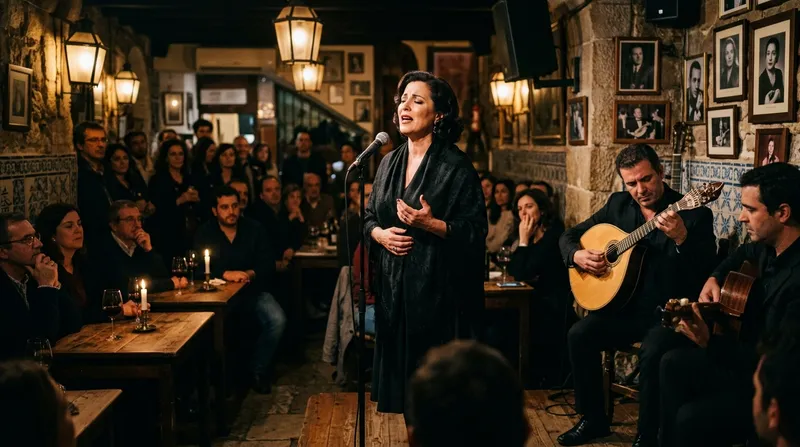
In the charming corners of Lisbon, where the Tagus River meets the Atlantic, a poignant melody often drifts through the air. It is Fado — the soulful music that threads the past and present of Portugal’s cultural tapestry. As UNESCO-recognized intangible cultural heritage, Fado is more than just sound; it embodies the soul of the Portuguese people, echoing sentiments of longing, fate, and resignation.
The Origins: A Deep-Seated Cultural Practice
A Historical Canvas
Fado traces its roots back to the early 19th century, though some suggest that its influences date even further, stemming from African slave songs or Moorish musical traditions. What is certain is that the gritty neighborhoods like Mouraria and Alfama in Lisbon served as its cradle. Here, seated in dimly lit tavernas, mournful tunes spoke of sailors’ woes, lost love, and the certezas and esperanças of everyday lives.
Evolution Through the Ages
Originally a voice of the marginalized, Fado became widespread across social strata by the 20th century. Amália Rodrigues, known as the "Queen of Fado," propelled this musical art form onto the international stage post-World War II. Her deep, resonant voice captured the quintessential saudade — a unique Portuguese term describing a deep emotional state of nostalgic yearning.
Experiencing Fado Today: From Casas de Fado to Live Street Performances
A Night in a Casa de Fado
For an authentic experience, you must dive into a casa de fado. These establishments, some centuries-old, envelop visitors in an atmosphere full of rustic charm. The solemn silence is only broken by the stirring resonance of the Portuguese guitar that accompanies the singers. Spots like Clube de Fado and A Baiuca offer an unparalleled window into these traditional performances. As the lights dim, you are not just an observer but part of the collective spirit that Fado weaves.
The Art of Impromptu Performance
Fado is not confined to the indoors. Amble down the narrow alleys of the Alfama district as dusk sets in, where street performers cast their gift to the evening air. These spontaneous performances, often unplanned, betray raw emotions, grabbing your heartstrings with every note.
The Instrumental Heartbeat: The Portuguese Guitar
Craftsmanship and Sound
The twelve-string Portuguese guitar, or guitarra Portuguesa, is pivotal to Fado. Its characteristic tear-drop shape is unmistakable, producing a warm and intricate sound that complements the human voice. Crafted meticulously, each instrument reflects a legacy of exquisite artisanship passed down through generations.
Iconic Guitarristas
Great guitarristas like Carlos Paredes and António Chainho have brought the instrument to life, ensuring that each note played adds another layer to the complex emotions of Fado. Through their skill, the music shimmers with the vibrancy that has made it endure through ages.
Breaking Boundaries: Modern Fado and Its Innovators
A Fusion of Genres
In the hands of contemporary artists such as Mariza and Ana Moura, Fado has taken new directions, absorbing influences from jazz, world music, and beyond. This dynamism keeps Fado relevant, drawing in younger audiences while retaining its deep roots in tradition.
Fado in the Global Theatre
Today's global music landscape sees Fado appearing at prominent festivals and concert halls, showcasing its versatility. Mixture of traditional themes with innovative rhythms has allowed Fado to transcend its Portuguese borders, turning it into a universal language of emotions.
Planning Your Visit: Tips for the First-Time Fado Enthusiast
Cultural Etiquette
As you plan your cultural journey into the heart of Fado, remember that respect and silence during performances are paramount. Speaking, particularly during a song, is frowned upon as it interrupts the shared musical experience.
Timing and Reservations
Key to a genuine Fado experience is timing. While impromptu street performances offer unpredictability, casas de fado are best visited with a reservation, especially during peak tourist seasons. Plan your evening so you can sit back, sip on some local wine, and let the music transport you.
Conclusion: The Continuing Story of Fado
Ultimately, Fado is more than melodies or lyrics; it is a voice from the depths of Portuguese history that continues to illuminate the human experience with authenticity and heart. When in Lisbon, let the echoes of Fado serenade you beneath a starlit sky, and you may find that the music resonates with stories of your own heart, long after the last chord fades.