The Art of Turkish Coffee: A Cultural Ritual Beyond Brewing
The Cultural Significance of Turkish Coffee
In the aromatic world of coffee, few brews carry the rich cultural significance of Turkish coffee. While many might recognize it for its deep flavor and thick, syrupy texture, its role in Turkish culture extends far beyond its ability to awaken the senses. It’s a heritage brew, an art form, and above all, a social ritual binding generations through its unique preparation and shared consumption.
A History Boiled Over Time
Tracing its origins to the 16th century, Turkish coffee first brewed into the vibrant Ottoman Empire, where coffeehouses emerged as epicenters of social activity. These gatherings were not merely for the exchange of conversation but became melting pots for intellectual discourse, where poets, philosophers, and politicians could mingle freely. Recognized as ‘schools of the wise,’ coffeehouses offered more than a caffeine boost; they were venues of cultural evolution.
Brewing With Tradition in Mind
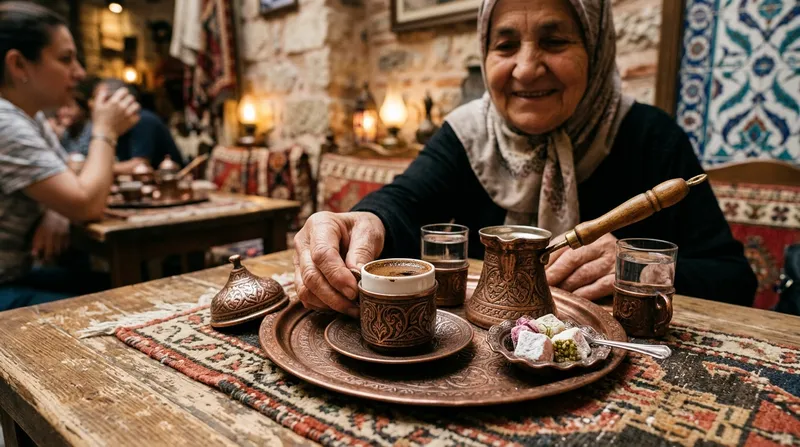
At the heart of Turkish coffee is a traditional preparation method that hasn't drastically changed over centuries. It begins with the careful grinding of coffee beans into an ultrafine powder before simmering them in a special pot known as a cezve or ibrik. A wooden or brass stirrer swirls the mixture of water, coffee, and sugar (if desired), as it's slowly heated to create a rich, frothy brew—never actually brought to a vigorous boil.
This meticulous process epitomizes patience and attention to detail, reflecting a cultural reverence for skillful craftsmanship. The froth is essential, viewed as a sign of proper preparation. The thicker and creamier the froth, the more esteemed the host's skills.
The Ritual of Serving and Savoring
Coffee as a Symbol of Connection
In Turkey, offering coffee to a guest is a gesture steeped in hospitality and warmth. The cups, often delicate and ornately decorated, are served on a tray accompanied by a glass of water and often a sweet treat like Turkish delight. This comprehensive presentation underscores the importance of the guest's experience, illustrating a deep-rooted cultural appreciation for meaningful interaction over mere refreshment.
Turkish coffee is savored leisurely, encouraging a pause in the day to engage in conversation and connection. The drink’s substantial nature means it is slowly sipped, allowing for conversation to flow. It embodies the Turkish phrase "Fincanda Bir Kahvenin Kırk Yıl Hatırı Vardır," meaning "A cup of coffee is remembered for forty years," signifying the lasting bond formed over a single shared act.
Fortune Telling in the Grounds
One of the most enchanting traditions tied to Turkish coffee is tasseography, or coffee cup reading, which dates back centuries. After savoring the coffee, once the thick, aromatic sediment settles at the bottom, the cup is inverted onto a saucer. As the residue dries, it forms patterns interpreted to predict future events or revelations about the drinker’s life.
This practice adds an element of mystery and excitement, inviting participants to engage with their imaginations and foretell stories within their coffee cups. It transforms the act of drinking coffee into a mystical ritual and a cherished pastime among friends and family.
Preserving a Precious Legacy
With its addition to UNESCO’s Intangible Cultural Heritage list, Turkish coffee is officially recognized as a practice that transcends its role as a mere beverage. In modern times, this traditional drink faces challenges as younger generations gravitate towards other coffee cultures, like espresso-based drinks popularized globally.
However, initiatives exist to ensure the preservation and awareness of the art of Turkish coffee. Cultural festivals and workshops encourage people to explore this rich tradition, ensuring its enduring place in not only Turkish but also global cultural heritage. Restaurants and cafes worldwide highlight authentic Turkish coffee on their menus, bringing this cultural gem to international audiences who seek an authentic taste of Turkey's historic charm.
Conclusion: More than a Brew
Turkish coffee stands as a cultural icon, encapsulating centuries of history, conversation, and social engagement in each cup. More than a caffeinated indulgence, it is an enduring symbol of hospitality and tradition, connecting past generations with the present through its timeless ritual. Whether experienced in Turkey's bustling streets or in a distant coffee shop abroad, the essence of Turkish coffee remains a profound reminder of our shared human heritage centered around togetherness and storytelling.