Savoring Tradition: The Art of Kimchi Making in Modern South Korea
Introduction
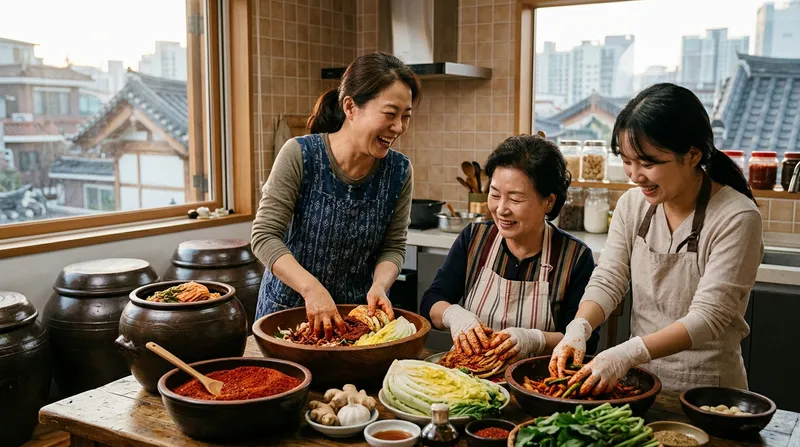
In a country known for its dynamic blend of modernity and tradition, South Korea offers a cultural experience that's as invigorating as it is enlightening. At the heart of its rich cultural tapestry lies _kimchi_, the fiery fermented delicacy that captures the essence of Korean cuisine. As South Korea rockets towards the future, embracing technological advancements while setting global cultural trends, the age-old tradition of kimchi-making remains a steadfast cultural cornerstone, evoking nostalgia and fostering a communal spirit.
The Historical Heartbeat of Kimchi
A Glimpse into the Past
Long before it graced tables worldwide, kimchi was a way of life—a necessity born out of survival. The art of fermentation in Korea can be traced back over three millennia, a method evolved to preserve vegetables through harsh winters. Originally simple salted vegetables, this staple was gradually transformed through the introduction of red chili peppers in the 16th century, brought from the Americas. This pivotal ingredient revolutionized kimchi, infusing it with the characteristic heat and rich red hue that would define its contemporary image.
A Cultural Heritage
In 2013, kimchi-making, or _kimjang_, was inscribed on UNESCO’s Representative List of the Intangible Cultural Heritage of Humanity. This international recognition underscored not only its culinary significance but its role in fostering community spirit and familial bonds. Traditionally, kimjang is a communal activity performed in late autumn, when families and neighbors gather to prepare vast quantities of kimchi to last through the winter—a testament to the collective ethos embedded in Korean culture.
Kimchi in the Modern South Korean Lifestyle
Fusion of the Old with the New
Today, kimchi-making straddles the line between ancient traditions and modern lifestyles. While industrialization and urban living have curtailed the communal aspects of traditional kimjang, the spirit persists in other forms. Across South Korea, kimchi festivals flourish, such as the internationally renowned Gwangju Kimchi Festival, which celebrates the dish's diversity and history while introducing innovative variations to locals and tourists alike.
Furthermore, culinary schools and workshops are popping up throughout the nation, offering hands-on experiences designed to teach visitors the intricate art of kimchi-making. These venues emphasize not only the technical aspects but the cultural stories behind each ingredient spotlights the mingling of tradition with contemporary culinary arts.
A Pivotal Role in Gastronomy
The global proliferation of Korean cuisine owes much to the versatile kimchi. Renowned chefs around the world experiment with kimchi, integrating it into everything from fine dining to fast food—imagine kimchi burgers or tacos, highlighting its adaptability while introducing international audiences to its robust flavors.
In South Korea, contemporary restaurants are redefining traditional dishes, creating unique pairings that feature kimchi in unexpected and delightful ways. This culinary creativity underscores the South Korean approach to tradition—not as a static entity but as a living, evolving practice.
Personal Exploration: A Traveler’s Guide to Experiencing Kimchi-Making
Embarking on the Kimchi Trail
For travelers seeking a deeper understanding of South Korea beyond its bustling cities and technology-laden landscapes, delving into the kimchi-making tradition offers a profound cultural insight. Numerous provinces, each showcasing subtle variations of kimchi, invite exploration.
In Jeonju, a city famed for its food culture, visitors can partake in workshops designed to share traditional techniques passed down through generations. Meanwhile, Seoul offers modern classes in trendy culinary schools that blend history with contemporary methods. These experiences often extend beyond mere culinary endeavors, teaching participants about the significance of each step in the kimchi-making process, from salting cabbages to the final fermentation.
Tips for an Authentic Experience
1. Participate in a Kimchi Festival: Time your visit to coincide with a kimchi festival for an immersive experience. Not only will you witness the communal joy of the kimjang process, but you'll also sample a staggering variety of regional kimchi.
2. Join a Domestic Workshop: Engage with local instructors who bring personal stories and historical context to the sessions. Small group settings often lead to meaningful exchanges and a more personable experience.
3. Visit Local Markets: Explore bustling markets like Gwangjang Market in Seoul, where you can savor fresh kimchi varieties and witness firsthand the significance of kimchi in daily Korean life.
Conclusion
As South Korea paves its path into the future, the enduring tradition of kimchi-making encapsulates a cultural spirit resilient in the face of change. This beloved dish, both a reminder of times passed and a testament to contemporary creativity, continues to define and connect generations, offering travelers a delicious peek into the heart and soul of Korean culture. So next time you find yourself on the vibrant streets of Seoul or the serene countryside of Jeonju, grasp the opportunity to step into the world of kimchi, where ancient flavors invite new experiences.