Rediscovering Ancestral Wisdom: The Revitalization of Indigenous Languages in New Zealand
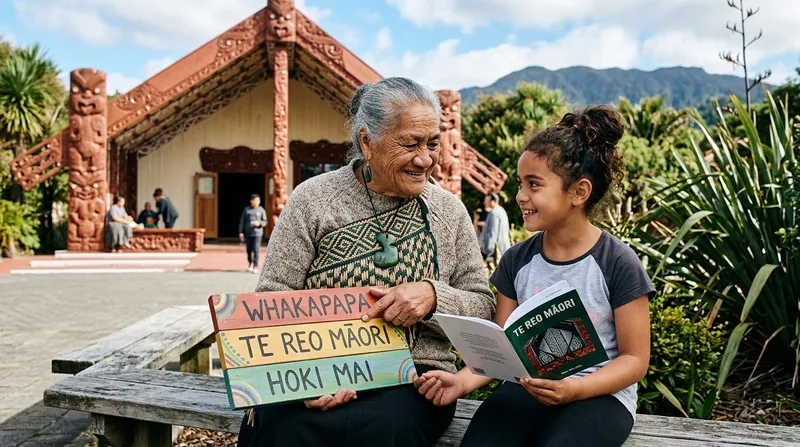
Introduction: A Resurgence of Identity
In an age of globalization where cultural homogenization seems inevitable, the revival of indigenous languages marks a resistance to the erosion of identity. One nation illustrating this inspiring movement is New Zealand, where the revitalization of the Māori language, te reo Māori, becomes not only a cultural renaissance but a communal call to reclaim ancestry.
The Historical Context
Colonial Impacts and Language Suppression
The arrival of European settlers in New Zealand heralded an era of transformational change that swept across the indigenous Māori culture. Throughout the 19th century, colonial policies systematically suppressed te reo Māori. English was promoted as the dominant language, relegating Māori to secrecy, spoken only in sacred rituals or homes.
This linguistic suppression wasn't merely a cultural loss; it diminished Māori identity, as language is intricately tied to the perception and expression of indigenous knowledge and worldviews.
The Revival Movement Gains Momentum
A Turning Point
The mid-20th century saw a pivotal turn with the Māori Renaissance—a movement aimed at cultural restoration and national recognition of Māori heritage. At its core was a fervent determination to revive te reo Māori.
In 1987, significant progress unfolded when New Zealand legislated the Māori Language Act, officially recognizing te reo as an official language of the nation, paralleled by the establishment of the Māori Language Commission to promote its use.
Kōhanga Reo: Nurseries for Language Nurture
The creation of Kōhanga Reo, or Māori language nests, in the early 1980s represented a grassroots approach that served as beacons of hope. These early childhood centers aimed to immerse the youngest generation in their ancestral tongue, independent of English, thus nurturing language proficiency from the earliest age.
The Role of Education and Media
Integrating Te Reo Māori into Curriculum
An emphasis on integrating te reo Māori into the public school curriculum has ensured that language learning is accessible to all New Zealanders, not just Māori. Programs such as Te Marautanga o Aotearoa provide a framework for teaching in Māori across subjects, underscoring its importance not only as a linguistic vehicle but as a means of understanding Māori perspectives.
Broadcasting as a Cultural Conduit
Media has proven instrumental in reaching broader audiences. The launch of Māori Television in 2004 was a landmark moment, offering a platform that celebrates Māori culture, language, and people. By broadcasting news, entertainment, and educational content in te reo, this channel serves a triple purpose: normalizing the language, educating viewers, and preserving cultural narratives.
Intertwining Heritage and Identity in Modern Society
The Renaissance in Urban Spaces
In burgeoning urban centers like Auckland and Wellington, te reo’s presence is growing. Signage, public transport announcements, and public art installations celebrate bilingualism, fostering a redefined urban identity where Maori cultural elements and language are prominent in public consciousness.
Apps and Online Resources: Digital Horizons
Technology has amplified the reach of the Māori language. Apps like Kupu utilize image recognition to present Māori translations, making language learning interactive and accessible. Online courses provide easy entry points for anyone interested, further solidifying the language's presence in the digital age.
Celebrating Te Reo with Festivals and Challenges
Te Wiki o te Reo Māori: Language Week
Te Wiki o te Reo Māori, or Māori Language Week, is an annual event that champions te reo Māori over seven days, prompting nationwide participation in language learning activities. The event underscores the national commitment to revitalization and serves as an inspiration for other countries seeking similar cultural reconciliations.
Ngā Manu Kōrero: Orators in the Making
The annual Ngā Manu Kōrero speech competitions are a profound testament to the rising interest and proficiency in te reo, especially among youth. Participants deliver speeches addressing contemporary issues through a Māori perspective, showcasing eloquence and cultural understanding.
Future Prospects and Global Impact
Beyond Language: A Global Symbol
The initiatives in New Zealand offer a blueprint for other nations grappling with the loss of indigenous languages. The international community watches as Māori leads a cultural reawakening, emphasizing that language preservation is part of broader efforts toward reconciliation and acknowledging historical injustices.
Challenges Ahead
While the successes are undeniable, challenges persist. Ensuring te reo Māori fluency across all age demographics, and beyond symbolic gestures, remains essential. Continued investment in educational resources, teacher training, and indigenous community-led initiatives will be crucial.
Conclusion: Embracing the Tapestry of Linguistic Heritage
New Zealand’s spirited revival of te reo Māori encapsulates the universal journey of rediscovering lost heritage and embedding it as a dynamic force within national identity. Its success reverberates beyond its borders, urging global recognition of language as a cradle of cultural wisdom. As New Zealand moves forward, te reo Māori’s voice resounds, a testament to resilience and renewal for generations to come.