Hidden Traditions of Japan's Satoyama Villages: A Seasonal Guide
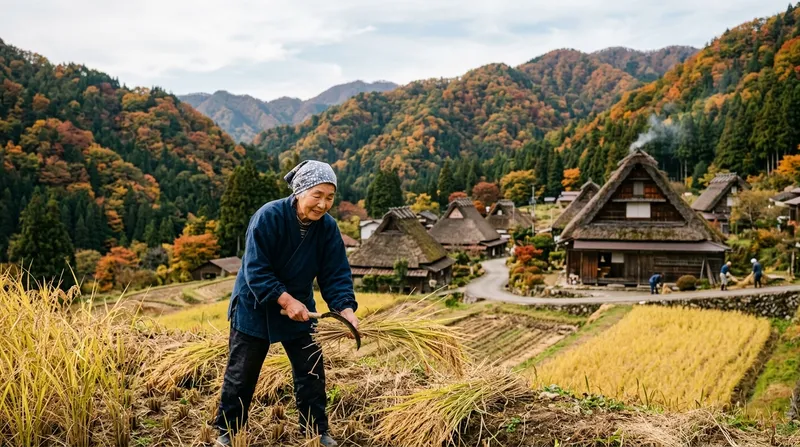
Japan's satoyama landscapes, where the mountains meet the cultivated plains, offer more than just scenic beauty; they contain a rich tapestry of traditions that embrace the rhythm of the seasons. These villages, often overlooked by the bustling tourist routes, preserve a cultural cadence that speaks volumes about Japan's relationship with nature. In this article, we journey through the seasons to uncover the timeless traditions that make satoyama a living testament to Japan's cultural heritage.
Spring: The Revival of Nature and Craft
Spring in Japan's satoyama is a symphony of renewal. As the snow melts and the fertile earth awakens, village communities engage in rituals that celebrate both nature's bounty and human creativity.
Blossoming Festivals
The arrival of spring is marked by hanami, the age-old custom of flower viewing. While urban areas often draw throngs of visitors to cherry blossom hotspots, it is in the satoyama where hanami becomes an intimate ceremony. In smaller gatherings, locals share homemade delicacies like sansai (wild mountain vegetables), while their children participate in kite-flying ceremonies, symbolic of aspirations for growth and prosperity.
Spring Craftsmanship
Echizen, a small satoyama area in Fukui Prefecture, is renowned for its washi paper. As spring arrives, traditional workshops open their doors to craftsmen and visitors eager to learn the ancient art of papermaking. The water of the mountain-fed streams is said to be at its clearest during this season, adding to the quality of the paper produced. It is an opportunity for enthusiasts to craft personalized stationery while gaining insight into a tradition that dates back over a millennium.
Summer: Celebrations of Light and Life
Summer in the satoyama brings about vivacious festivals that highlight the community's vibrant spirit and profound respect for the land.
Firefly Festivals
The ancient villages come alive with the soft glow of fireflies in summer. Villagers of places like Kushiro offer guided evening walks through rice paddies, where these luminous insects add an ethereal beauty to the night. This activity is not merely for spectacle; it's an education in ecology and conservation, as discussions about preserving natural habitats are woven into the experience.
Rice Planting and Tanabata
An age-old tradition in satoyama, taue (rice planting) season is an opportunity for engagement and reflection. Families, from elders to young children, participate in this labor-intensive ritual, transforming it into a cultural occasion. In July, the Tanabata festival further enlivens the landscape. Strips of colored paper hang from bamboo trees, inscribed with wishes. The light-hearted festivities include music played on shamisen and local dances celebrating the annual meeting of celestial lovers, weaving folklore with local life.
Autumn: A Harvest of Heritage
Autumn transforms the satoyama into a canvas of reds and golds, signaling not only a visual change but a season of gratitude and gathering.
Harvest Festivals
Celebratory events are held across satoyama villages to express thanks for the harvest. Rice-harvesting festivals like the Matsuri of Shirakawa-go involve elaborate floats and clothing adorned with autumn motifs. Locals and visitors partake in mochi pounding events; the fresh, sticky rice cake symbolizes unity and prosperity.
Traditional Arts and Stories
A must-see during the autumn is the Takayama Matsuri, known for its intricate marionette performances called jiruri, which narrate stories from Japanese folklore and history. The smoky air, filled with incense and aroma from food stalls, provides a perfect backdrop for a cultural immersion in oral history and traditional performing arts.
Winter: Solitude and Serenity
Winter in the satoyama is a season of tranquility. Beneath a blanket of snow, these communities retreat into repose, reflecting the simplicity of life that often hides beneath hectic modernization.
Snow Festivals and Onsen
The Hakuba Valley, known for its pristine snowscapes, hosts annual snow lantern festivals. Villagers carve giant sculptures illuminated from within, against the stark white surroundings creating a captivating nocturnal display. Amidst these celebrations, onsen (hot springs) offer a therapeutic retreat. Soaking in mineral-rich waters surrounded by snow-covered scenery provides a profound sense of serenity and introspection.
Traditional Winter Cuisine
Food in winter becomes as much about warmth as sustenance. Dishes like nabemono (Japanese hot pot) become the centerpiece of gatherings. Ingredients from mountain vegetables to local game like wild boar contribute to a dish that not only soothes the cold but encapsulates the tradition of seasonal eating.
A Cultural Tapestry
Japan's satoyama regions illuminate the harmonious relationship between nature and tradition. Each season brings with it a unique celebration of cultural inheritance, rooted deeply in the landscape and way of life that has sustained these communities for centuries. These experiences not only enrich our understanding of rural Japan but also underline an essential respect for nature and communal ties in an ever-globalizing world.
Engaging with these hidden traditions offers more than a glimpse into Japan's cultural heart; it invites us to consider what we might cherish from our own rhythms with the world around us.