Echoes of Tradition: Discovering the Living Tapestry of Irish Céilí Dancing
A Dance Through Time: The Origins of Céilí
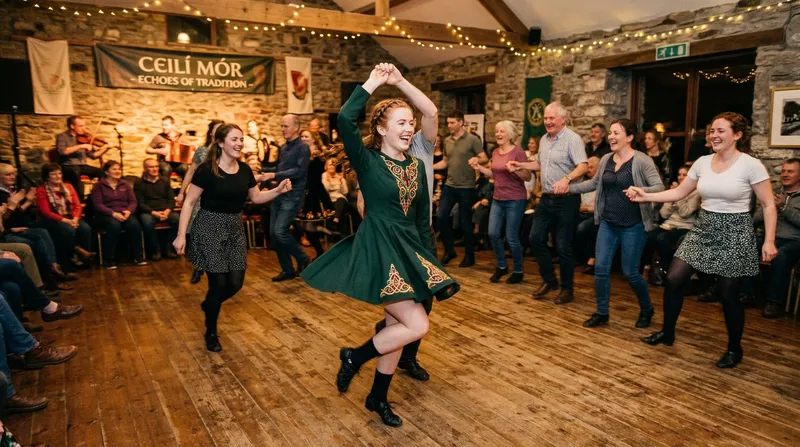
To step onto the wooden floors of an Irish céilí dance is to step into a living tapestry, woven with the threads of history, community, and rhythm. Emerging in Ireland during the late 19th century, céilí dancing represents a revival of ancient Irish dance forms known as set dancing and country dancing, which echoed through rural landscapes and village halls. These rhythmic gatherings were a form of social expression, a way for communities to bond through the shared language of dance and music.
Originally, céilí referred to any gathering for music and dancing, but it has since come to specify particular dances that bring to life the joyful spirit of Irish traditions. Whether experienced in the bustling streets of Dublin or a quaint village in County Clare, céilí retains its charm, effortlessly blending tradition with the contemporary.
The Heartbeat of the Gathering: The Music
No céilí is complete without the uplifting cadence of traditional Irish music, which serves as both the heartbeat and the soul of the gathering. Jigs, reels, and hornpipes fill the air, performed by fiddle, tin whistle, accordion, and bodhrán players who drive the infectious energy of the dance.
These instruments, passed down through generations, contribute their unique voices to an ensemble of emotive soundscapes. It's not just the melodies that stir the spirit, but also the communal participation of both musicians and dancers creating an immersive symphony of rhythm and joy. The fluid interaction between music and movement highlights the improvisational element that makes each céilí a unique celebration.
Learning the Steps: An Invitation to Dance
For beginners, the steps themselves may seem a daunting maze of heel-and-toe movements and intricate formations. However, céilí communities are famously welcoming, turning every novice into a confident dancer through the art of encouragement. Typically led by an experienced caller, these gatherings are inclusive, inviting participants to join the dance floor despite their skill level.
Each céilí dance tells its own story through structured foot patterns and formations. Dancers form long lines or circular arrangements and carry out sets of choreographed steps that often vary from region to region, adding to the cultural diversity found within this traditional practice. From lively "Siege of Ennis" to the elegant movements of "The Walls of Limerick," céilí dances offer something for everyone.
Céilí in Modern Times: A Living Tradition
Despite the modern digital age, céilí dances continue to draw enthusiasts from around the globe. Events are held regularly in Irish cultural centers worldwide, from Boston to Sydney, serving as a testament to the widespread love for this traditional form of expression. Moreover, festivals such as Ireland's Willie Clancy Summer School in Miltown Malbay make it a centerpiece, attracting thousands who wish to immerse themselves in Irish dance and music.
At universities and dance halls worldwide, Irish dance societies flourish, committed to preserving and promoting céilí culture. These contemporary iterations introduce innovative elements to the traditional form, incorporating influences from other dance styles and cultures, thereby maintaining its dynamic nature and ensuring its relevance for future generations.
Stepping Into the Rhythm: A Personal Experience
Attending a céilí offers an immersive experience that goes beyond the physical act of dancing. It’s an opportunity to engage with a warm, vibrant community; a chance to listen and respond to the lilting tunes that command feet to move instinctively. The exhilaration of dancing in unison with others creates an uplifting energy, dissolving barriers and celebrating a shared cultural legacy.
Whether you find yourself amid a cozy village gathering in the heart of Ireland or participating in a bustling international festival, céilí promises an unforgettable venture into Irish tradition. With a history as enduring as the melodies that guide it, each céilí invites dancers of all ages to join its lively celebration, keeping the rhythm of Irish culture alive and thriving.