Beyond the Stereotypes: Navigating Tokyo's Subtle Cultural Nuances
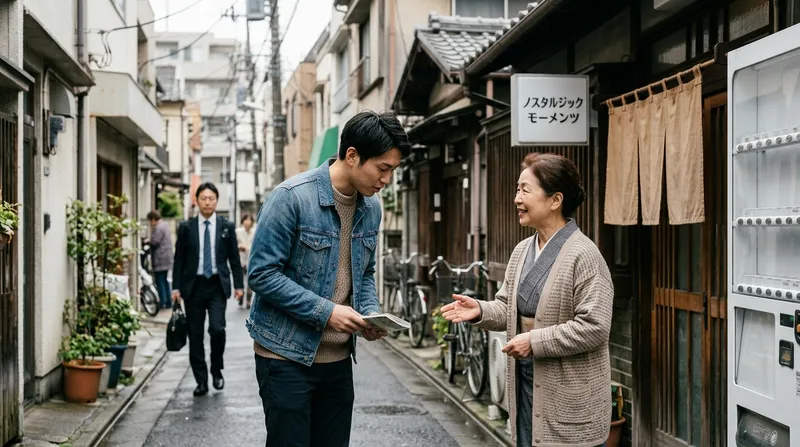
Tokyo, a sprawling cityscape that gleams with neon lights and bustling streets, often conjures up images of anime characters, quirky fashionistas, and futuristic technology. But beneath these vibrant stereotypes lies a fascinating web of cultural nuances that stitch together the true fabric of this metropolis. To fully grasp Tokyo is to navigate these layers, acknowledging the city's historical roots while embracing the shifts in its cultural tapestry.
Respect and Ritual: Small Gestures with Big Significance
In Tokyo, respect is woven into the everyday fabric of society, manifesting through the smallest gestures that might otherwise go unnoticed. The simple act of bowing, for instance, is not just a nod of greeting but a nuanced tradition that reflects one's social status, the depth of the relationship, and the intended level of respect. As you explore Tokyo, pay attention to the context of these bows—notice how shopkeepers might lower their heads more deeply to express gratitude or traditional reverence.
The Quiet Art of Apology
Japan, and Tokyo in particular, has honed the seemingly lost art of apology. When entering a crowded train, a gentle sumimasen ("excuse me") not only paves your path but subtly acknowledges the shared public space. Public address announcements consistently express regret for inconveniences, however trivial they might seem to outsiders. Recognizing these linguistic subtleties is crucial to immersing oneself in the true Tokyo experience, where apologies fuel social harmony.
Culinary Experience: A Journey Through Time and Taste
Few places in the world offer as profound a culinary adventure as Tokyo. Beyond its Michelin-starred restaurants and world-renowned sushi, the city’s food culture traces a rich historical lineage worth exploring for a deeper cultural appreciation.
Kaiseki: Dining as Performance Art
Kaiseki is to traditional Japanese dining what haute cuisine is to its French counterpart, offering a multi-course meal that showcases seasonal ingredients using a sequence of precise cooking methods. Each dish presents not only culinary expertise but a narrative—perhaps an ode to a season or a historical anecdote. Dining in Tokyo through a kaiseki lens allows one to witness the streamlining of centuries-old cooking techniques that pay silent homage to Japan's past.
The Melancholic Symphony of Soba
Among Tokyo’s famed fast-paced food scene, soba noodles stand as a testament to simplicity and historical poignancy. This dish, typically enjoyed during the new year, is believed to symbolize a breaking away from hardship—each fragile noodle embodying the hopes for renewed fortunes. Wander into a local soba shop, and engage in the reverent silence that accompanies the meal, contrasting markedly against the overflow of Tokyo's urban soundscape.
Evolving Traditions: Cultural Metamorphosis in Modern Tokyo
Tokyo, while rooted firmly in its past, is a dynamic city that embraces change. As it races towards the future, it simultaneously carries its traditions forward, albeit in contemporary forms.
Ikebana: The Timeless Language of Flowers
Ikebana, or flower arranging, taps into an aesthetic dimension far beyond mere decorative appeal. Traditionally, it serves as a spiritual reflection, encouraging practitioners to extend mindfulness into their work. Today, ikebana has morphed into an artistic form echoing minimalism while reflecting sustainable practices. Tokyo’s galleries occasionally feature modern ikebana exhibits, serving as meeting points for purists and contemporary artists alike.
Kimono: A Garment’s Journey from Antiquity to Trend
The kimono, an iconic symbol of Japan, was once an everyday garment. Today, it’s enjoying a renaissance, showcased in fashion-forward contexts that bridge antiquity and modern trends. Vintage shops in Harajuku sell revamped kimonos while cutting-edge designers like Kimono Girl import Western aesthetics into traditional garments, crafting cultural dialogues that are both old and new.
Public Etiquette: The Silent Dance of Tokyo Commuters
Navigating Tokyo's public transport systems is an immersion not only in logistical orchestration but in a finely-tuned dance of etiquette. Silence is golden across train stations and buses, as most Tokyoites regard commuting as a time for private thought. Phones are ubiquitously used, yet hushed, as users communicate through silent modes or headphones.
Learning to participate in this silent choreography is essential for any visitor. Following the unspoken rules of Tokyo’s public etiquette might seem daunting, but it is a rewarding practice, offering insights into the collective respect residents afford one another in limited shared spaces.
Conclusion: Embracing Tokyo's Vital Complexity
To truly experience Tokyo is to delve beyond its surface, to embrace both its global landmarks and its subtle cultural narratives. As you weave through its streets, give into the mindfulness that informs the simplest of interactions. Tokyo’s culture is as much about its grand gestures as it is about its quiet moments—each thread, no matter how microscopic, contributes to the city’s vibrant and ever-evolving tapestry.