Beyond Borders: Unearthing the Hidden Cuisines of the Andes
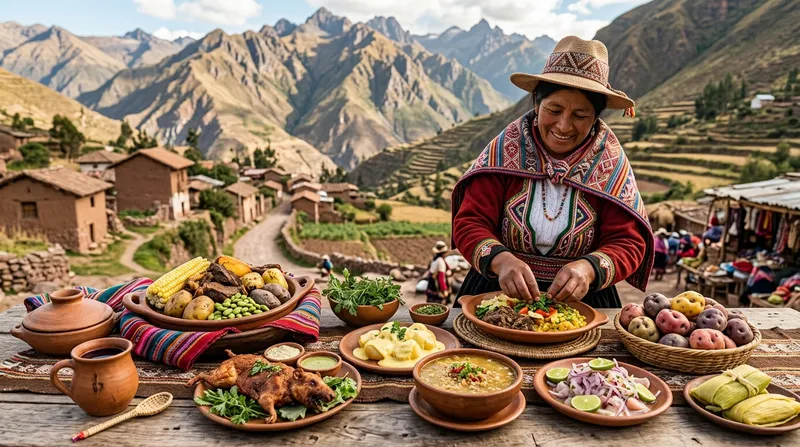
The culinary landscape of the Andes is as rugged and dramatic as its towering peaks and expansive valleys. This unique region of South America, stretching over 4,300 miles through seven countries, offers more than just breathtaking vistas and rich histories. The Andes is a melting pot of cultures, resulting in a rich tapestry of flavors that have evolved from its indigenous roots, blending with Spanish, African, and Asian influences. This article invites you to explore the hidden culinary treasures of the Andes that transcend borders and time, celebrating a living heritage nurtured by communities resilient to change.
The Roots of Andean Cuisine
At the heart of Andean cuisine lies a profound connection to the land and its bounty. The pre-Columbian era set the foundation for this unique culinary tradition; indigenous staples like potatoes, corn, quinoa, and amaranth have sustained Andean populations for millennia. These ancient crops, domesticated thousands of years ago, are not only nutritional powerhouses but also culinary canvases upon which diverse cultures have stamped their influences.
Potatoes: The Staple of the Highlands
Originating from the area around Lake Titicaca, potatoes have been pivotal to Andean agriculture. With over 4,000 varieties, from the vibrant purple of the Papa Morada to the glistening gold of the Papa Amarilla, these tubers are woven into the very fabric of Andean life. One traditional preparation, Papas a la Huancaína, hails from Peru. It pairs boiled potatoes with a creamy, spicy cheese sauce, illustrating the fusion of indigenous ingredients with Spanish dairy techniques.
Quinoa: The Ancient Grain
Once sacred to the Incas, quinoa was nearly lost to modernity but has resurged as a global superfood. Yet, its deepest connections remain firmly at home in the Andean region. In Bolivia, a traditional dish called P'esque elevates quinoa to new heights – cooked slowly, it becomes porridge-like, benefiting from the richness of added cheeses and cream, often served with a side of grilled meat.
The Ocean's Gifts: Coastal-Near Andes
While the highlands boast their hardy produce, the Andean countries' coastal regions offer a cornucopia from the oceans. Here, seafood and Andean produce meld beautifully, particularly in Peru and Ecuador.
Ceviche: Peru’s Zesty Delight
Peru's national dish, ceviche, showcases the fusion of indigenous fishing techniques and the citrus fruits introduced via Spanish voyages. Traditionally made with fresh, raw fish marinated in lime juice and spiced with aji pepper, ceviche embodies the freshness of the coastal Andes. Each bite is an effervescent dance of flavors, drawing on the exotic zest of limes and the umami of sea salt.
Encebollado: Ecuadorian Comfort Food
To Ecuadorians, encebollado, a hearty fish stew, is much more than food; it's comfort, cure, and camaraderie. Prepared with fresh albacore tuna, cassava, and a distinctive tomato-onion base, it's served with an accompaniment of plantain chips or popcorn. This dish reflects the essence of Ecuadorian cooking: humble roots meeting sophistication in flavor.
Culinary Journeys Through Festivals
The Andes' rich culinary tapestry is best experienced through its festivals – celebrations of harvest, history, and harmony. These events are not just meals but immersive experiences of a community's spirit.
Inti Raymi: The Festival of the Sun
Celebrated across Peru, Ecuador, and Bolivia, Inti Raymi heralds the winter solstice and pays homage to the sun god, Inti. Culinary rituals involve the preparation of Chiriuchu, a dish emblematic of Cusco's culinary history. It combines cold delicacies: guinea pig, sausage, chicken, omelet, roe, seaweed, and various Andean spices, served over a leaf of maize.
The Feast of San Juan in Ecuador
A celebration of the world’s proximity brought through colonialism, the Feast of San Juan showcases roast mutton, celebrated alongside rhubarb compote and pennyroyal tea, emphasizing Ecuador’s unique position at the confluence of global influences.
A Sustainable Future for Andean Flavors
Today, Andean communities are increasingly at the forefront of movements promoting sustainable agriculture, aiming to preserve their cultural and culinary heritage while adapting to modern challenges. This sustainability is not only about growing crops organically but is also about nurturing traditions and ensuring they are passed on to future generations.
Fair-Trade Quinoa
In Bolivia, quinoa farmers are uniting under fair-trade principles, ensuring better livelihoods while striving to keep this ancient grain sustainable for future generations. Initiatives like these are crucial in maintaining the cultural significance of Andean cuisine while meeting the demands of a globalized market.
Reviving Indigenous Seeds
Projects across Peru and Ecuador focus on reviving indigenous seeds, fostering biodiversity in food systems, and empowering local women. This not only ensures the survival of traditional crops like amaranth and kiwicha but also celebrates their nutritional benefits, positioning them as key to the Andean diaspora’s resilience.
Conclusion
The cuisines of the Andes are vibrant reflections of their landscapes—filled with contrasts, resilience, and surprising flavors. Through a celebration of traditional dishes and innovative adaptations, the Andean people preserve their rich cultural heritage while inviting the world to taste and learn. Journeying through the Andes via its culinary offerings is a passage through time, a tribute to tradition, and a revelation of something eminently local yet universally profound. In every taste, the whispers of ancient winds remind us of our shared history and the delicious discoveries that await in the lesser-traveled heights of the Andes.