Harnessing the Northern Lights: A Guide to Photographing Aurora Borealis
Introduction: The Celestial Dance
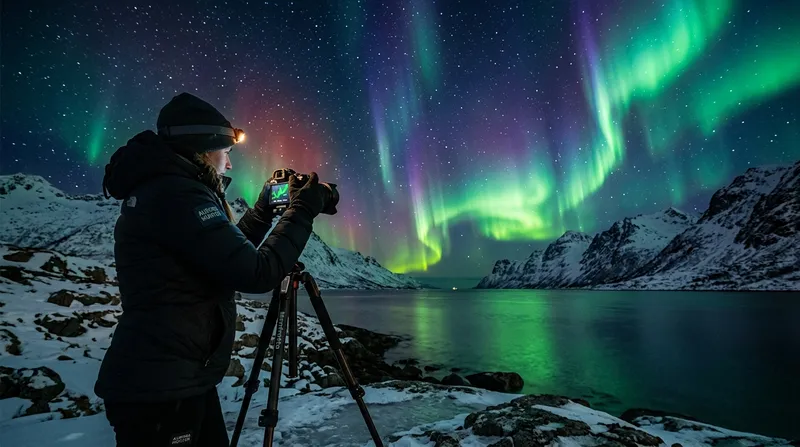
Imagine standing under a sky awash in dazzling greens, pinks, and purples—an unforgettable apparition known as the Aurora Borealis. While nature offers no guarantees on witnessing this ethereal display, with a little planning and the right techniques, you can photograph these luminous phenomena that dance across the Arctic night sky.
Choosing Your Location: Where Magic Meets Reality
To increase your chances of capturing the Northern Lights, select locations known for their frequent displays. Norway's Tromsø, Sweden's Abisko National Park, and Finnish Lapland provide consistent opportunities due to their proximity to the Arctic Circle. If you're venturing to Iceland, the south coast and remote highlands offer both dramatic landscapes and celestial wonder.
> Tip: Maximize your viewing window by visiting between September and March, when the nights are longest.
Perfect Timing: When to Chase the Light
The auroral activity tends to peak during the equinox months of September-October and March-April. Monitor the Kp index, which measures geomagnetic activity, aiming for a reading of 3 or higher for a good chance of auroras. Clear skies are essential; check the weather forecast regularly.
> Equipment Note: For precise tracking, a high-quality headlamp with a red light mode can assist in nighttime setups without affecting your vision.
Essential Gear: Tools of the Trade
Your camera setup is pivotal in capturing the beauty of the auroras. The following gear will ensure you are prepared:
Camera Body: A DSLR or a high-end mirrorless camera with excellent low-light performance.
Lens: A fast wide-angle lens, such as a 14-24mm f/2.8, captures expansive skies and landscape.
Tripod: Sturdy and lightweight for stability during long exposures.
Remote Shutter Release: Minimizes camera shake and allows for timed or multiple shots.
Settings for Success: Capturing the Aurora
Photographing the aurora requires particular camera settings to accommodate low light and maximize clarity.
ISO: Start at ISO 800 and adjust higher as needed, balancing between exposure and noise.
Aperture: Set to its widest setting (f/2.8 or lower) to allow in as much light as possible.
Shutter Speed: Aim for 5-15 seconds. Too long an exposure may blur the lights' movement, while too short may capture insufficient luminescence.
Focus: Switch to manual focus; align on a bright star or distant object until pinpoint clarity is achieved.
> Pro Tip: Pre-focusing your lens in daylight on a distant object and marking or remembering the focal point can save time at night.
Composition: Finding Art in Nature
Positioning is crucial. Rather than centering the aurora, consider the Rule of Thirds to add depth. Including foreground elements like trees, mountains, or water reflections enhances the visual narrative, anchoring the viewer in a recognizable terrain that contrasts with the floating colors above.
Dealing with Challenges: Common Obstacles
Aurora photography isn't without its trials. At times, cloud cover or increased light pollution might hinder visibility. Venture away from city lights, placing at least 50 km between you and urban areas.
If weather conditions obstruct visibility, embrace patience. Spend these times by capturing star trails or exploring other facets of night photography.
Editing Your Masterpieces
Post-processing can elevate your images, revealing nuances unseen in-camera. Here's how to refine your captures:
Use tools like Adobe Lightroom to adjust exposure, contrast, and reduce noise.
Enhance color balance to ensure the greens, reds, and purples are vibrant yet true to life.
Carefully sharpen details, preserving texture without overexposing highlights.
> Final Thought: Tread lightly and respectfully in these delicate environments, preserving their integrity for future generations and keeping the skies vibrant for all curious explorers.
Conclusion: Crafting a Visual Legacy
Photographing the Northern Lights blends artistry with the science of the night sky, requiring patience and precision. Yet the reward—a personal masterpiece of nature's most captivating light show—makes the endeavor worthwhile. With these tips, you're on your way to turning ephemeral flashes into lasting memories, captured with you behind the lens.