Embracing the Elements: The Art of Wilderness Survival in Patagonia
Introduction
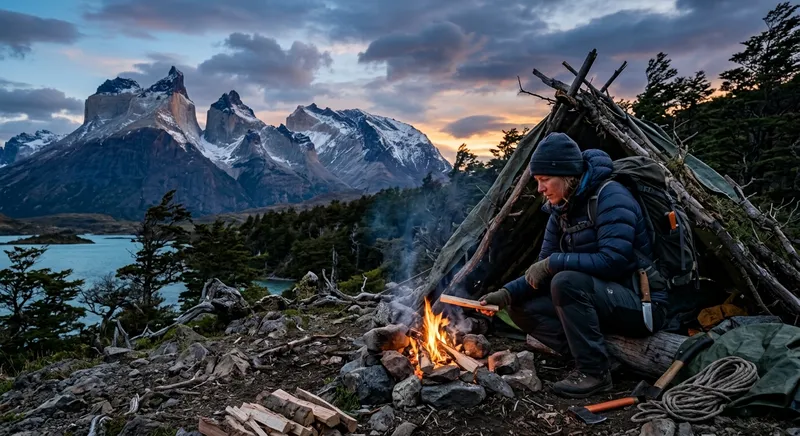
Cradling the southernmost reaches of South America, Patagonia beckons with its vast tracts of untamed wilderness, soaring Andean peaks, and ice-choked fjords. It's a canvas of raw, elemental beauty that challenges travelers to not only explore but also to survive. Whether you are contemplating a trek across its iconic landscapes or simply dreaming from afar, mastering the art of wilderness survival here can turn a daring adventure into an unforgettable life experience.
Understanding Patagonia’s Landscape
The Terrain and Climate
Patagonia stretches across Argentina and Chile, covering an area of nearly one million square kilometers. With its windswept steppes, dense forests, and majestic glaciers, the region's varied terrain provides both a breathtaking backdrop and a potential challenge for explorers. However, the weather is notoriously unpredictable, characterized by fierce winds, sudden rains, and temperature swings that demand readiness at all times.
The Biodiversity and Wildlife
While much of Patagonia is raw and rugged, pockets of life thrive here. From the elusive puma to the endearing guanaco, the region's fauna is a testament to resilience. Birdwatchers eagerly seek out the Andean condor and the rare Magellanic plover. A genuine understanding and respect for this delicate ecosystem is crucial for any adventurer, as preservation is key to ensuring future generations can experience the same wonders.
Essential Wilderness Survival Tips
Preparing for the Journey
Preparation is paramount. Before setting foot on Patagonia's trails, check the weather forecasts rigorously, as conditions can change hourly. Equip yourself with detailed maps and GPS devices because trails are often sparsely marked. Equally important is a well-planned itinerary that leaves room for unexpected pauses, ensuring that the unpredictability of nature doesn't disrupt safety.
The Right Gear
Invest in high-quality, waterproof gear. Your backpack should include a portable cooking stove, a reliable tent, and a first-aid kit tailored for wilderness ailments. Layering is the secret to comfort against the cold winds; merino wool remains unbeatable for warmth, while synthetic outer layers can repel the cold moisture. Don't overlook the importance of a quality pair of hiking boots designed to support your ankles on uneven terrains.
Water and Food
Perhaps the most crucial survival element is ensuring adequate water intake. Patagonia's rivers and streams often provide fresh glacial water, but purification tablets or a portable filter are prudent. As for food, pack high-energy, lightweight meals like dehydrated backpacker meals, nuts, and protein bars, providing sustenance without unnecessary weight.
Cultural Insights and Interactions
Respecting Local Traditions
Patagonia is inhabited by vibrant communities with rich cultural backgrounds, including the indigenous Mapuche and Tehuelche peoples. Engaging respectfully with locals not only enriches your experience but also provides critical insights into surviving and thriving in this environment. Many locals offer guided tours that can immerse you in traditional survival techniques, such as foraging for local edible plants and identifying safe water sources.
Language and Etiquette
Even basic Spanish phrases can open doors to warm interactions. Learning salutations and simple pleasantries can show respect and eagerness to connect. When approaching local communities, always ask for permission before taking photographs, and engage genuinely to foster mutual respect and understanding.
Surviving and Thriving in Patagonia
Adapting Your Skills
Incorporating traditional skills such as fire-starting in windy conditions or reading the sky for weather changes can prove invaluable. Those experienced in modern survival techniques would benefit from the humility of learning from the past—a unique blend of old and new skills can enhance any wilderness experience.
Mental Fortitude and Adaptability
The release that comes with shedding the comforts of modern life can be daunting. Building mental resilience is key; embrace solitude as an opportunity for introspection and growth. Adaptability ensures not only survival but transformation, making you more present and engaged in the environment around you.
Conclusion
Navigating Patagonia's exquisite terrain requires more than physical preparation—it demands a holistic understanding of survival that encompasses respect for the natural world and its cultural tapestry. Armed with preparedness, cultural awareness, and a willingness to embrace the unexpected, your journey into Patagonia can become not just an adventure but a testament to the enduring human spirit. Venture forth with reverence and readiness, and the wild elegance of Patagonia will reveal its secrets to you on its own terms.