Kyoto's Secret Seasons: Discovering Japan Beyond Cherry Blossoms and Autumn Leaves
Introduction
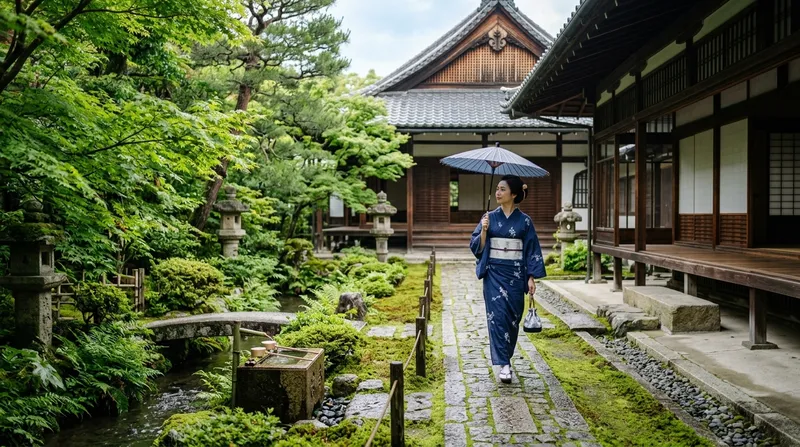
Kyoto, with its ancient temples, stunning gardens, and rich cultural heritage, often conjures images of cherry blossoms in spring and fiery maple leaves in autumn. While these seasons attract numerous tourists, there is an underrated charm that ensues in the quieter months of summer and winter. This article invites you to delve into the less-documented beauties of Kyoto, where discovery awaits during months often dismissed by travelers in search of an intimate, evocative experience.
The Magic of Kyoto Summers
Beyond Sticky Heat: Captivating Celebrations
Kyoto in summer is synonymous with intense heat and humidity, yet it is precisely during this season that the city comes alive with a vibrant tapestry of festivals. The `Gion Matsuri`, held in July, is one of Japan's most famous festivals, and it is an experience not to be missed. This grand festival, dating back to the 9th century, features stunning floats called "yamaboko" that parade through the downtown streets — a testament to exquisite craftsmanship and historical continuity. The mood is electric, with locals and tourists mingling amidst the stalls of food and games, showcasing traditional garb in a harmonious blend of past and present.
Unveiling Hidden Nature Paths
For those willing to brave the heat, summer is the perfect time to explore Kyoto's lesser-known natural trails. Venture north to `Kurama`, a small mountain town, only an hour from central Kyoto. Known for its scenic hiking paths, the Kurama-Kibune trail takes adventurers through lush forests, over gentle streams, and past serene temples. After an invigorating hike, there's nothing more refreshing than a dip in the natural hot springs at `Kurama Onsen`, followed by a traditional dining experience on a `kawadoko patio` overlooking the Kibune River.
Winter: Kyoto's Tranquil Beauty
Snow-Draped Temples and Quiet Contemplation
When winter descends upon Kyoto, a different kind of beauty emerges. It's a season where the frosty air lends an ethereal quality to the city's iconic temples. `Kinkaku-ji`, the Golden Pavilion, shrouded in glistening snow, offers an unforgettable sight. Unlike the bustling pockets of tourists in spring and fall, a visit in winter provides the opportunity for quiet reflection, walking among meticulously landscaped gardens where tranquility reigns.
The Art of Zen in a Cup: Kyoto's Tea Culture
Winter in Kyoto is also a time to embrace `chanoyu`, the Japanese tea ceremony. Cozying up with a steaming bowl of matcha at one of Kyoto's esteemed tea houses is more than just a respite from the cold; it is a cultural immersion into the profound ritual of Zen simplicity. The `En Tea Room`, in the heart of Gion, offers an authentic experience led by skilled artisans who explain the nuanced practice behind every movement in the tea ceremony.
Kyoto Cuisine: A Year-Round Delight
Regardless of the season, Kyoto's culinary offerings are exceptional. The city's cuisine is deeply rooted in tradition and changes with the seasons, offering unique ingredients and flavors. During summer, you can taste `hassun`, a dish that embodies the season with ingredients like conger eel and cucumber. Meanwhile, winter cuisine features warm dishes like `yudofu`, a simple yet comforting tofu hot pot.
A visit to `Nishiki Market`, Kyoto’s renowned food market, offers year-round delight. In summer, cool dishes and seasonal vegetables abound, whereas in winter, one can savor rich broths and hearty fare.
Conclusion
Kyoto's allure extends beyond its famed seasonal spectacles; its quieter seasons present an invitation to experience its treasures in a remarkable, more personal way. Whether you find yourself swept up in the excitement of summer festivals or lost in the serene beauty of snow-covered landscapes, Kyoto in the off-seasons promises a profound experience that captivates both heart and soul.
As you plan your journey, consider these understated gems and discover a Kyoto that few travelers pause to find. Here, among the quiet corners and spirited celebrations, lies the true essence of Japan's ancient capital, waiting to be explored at any time of the year.