Conquering the Roof of Africa: A Climber's Guide to Mount Kilimanjaro
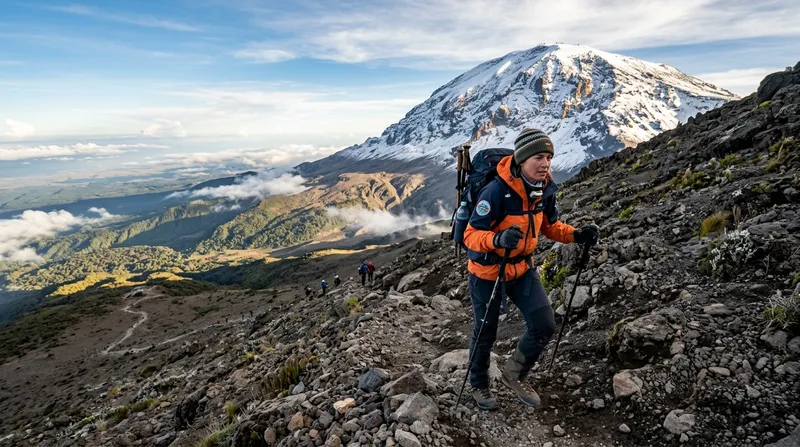
A Journey to Africa's Pinnacle
Mount Kilimanjaro, the highest mountain in Africa, stands majestic at 19,341 feet in northern Tanzania. Climbing its eminent slopes is less about technical prowess and more about stamina, determination, and strategy. From seasoned mountaineers to novice adventurers, reaching Uhuru Peak, the summit of Kilimanjaro, is a transformative journey that beckons with the allure of adventure and the promise of breathtaking vistas.
Choosing Your Route to Glory
Kilimanjaro offers a variety of routes to the summit, each with its own distinct character and challenges:
Machame Route: The Whisky Way
Often referred to as the ‘Whisky Route’ due to its challenging nature, Machame is undeniably one of the most scenic paths. Winding through the lush rainforests, moorlands, and high-alpine deserts, the route offers climbers a gradual acclimatization schedule. Expect to embark on a six to seven-day hike with varied terrain that keeps even seasoned trekkers engaged.
Lemosho Route: Remote and Rewarding
Lemosho captures the essence of Kilimanjaro's remote wilderness. Starting from the western side of the mountain, the route navigates through rolling heathers and drops into serene valleys, providing opportunities to spot wildlife like colobus monkeys. It typically requires seven to eight days, giving climbers time to soak in the untouched beauty and adjust to the altitude slowly.
Marangu Route: The Coca-Cola Path
The Marangu route, affectionately called the ‘Coca-Cola Route,’ is the only trail offering hut accommodations, making it the preferred choice for those seeking a more comfortable climb. Although less technical, this route demands respect for its rapid ascent and requires climbers to watch for signs of altitude sickness.
Essential Preparation for the Ascent
Success on Kilimanjaro isn't only about physical endurance—it significantly hinges on adequate preparation and mindset.
Acclimatization to Altitude
Proper acclimatization is crucial. While Kilimanjaro isn’t considered a technical climb, rapidly changing altitudes can surprise even the fittest explorers. Incorporating hikes in high-altitude areas before the climb can aid in acclimatization. During the trek, remember to “climb high, sleep low,” allowing your body time to adapt to the thinning air.
Gear and Equipment
Packing appropriately for Kilimanjaro involves strategic planning. Prioritize layered clothing that accommodates varying temperatures—from the sweltering equator to the chilly summit winds. Essential items include a thermal sleeping bag, a sturdy pair of hiking boots, a backpack with a hydration system, and a headlamp for pre-dawn summit attempts.
Physical and Mental Conditioning
Building cardiovascular fitness is beneficial. Engage in regular physical activity at least three months prior to the climb, focusing on long-distance hikes and strength training. Equally important, arm yourself with mental fortitude. Kilimanjaro is as much a mental challenge as a physical one. Visualize success and prepare for the rigors of summit night—a grueling but rewarding trek to Uhuru Peak.
Experiencing the Climb: From Base to Summit
The journey to the top is a sensory experience—each step encapsulating both struggle and serenity.
Day-to-Day Life on the Mountain
Each day brings new landscapes, from the moss-laden trees in the rainforest zone to the barren lunar terrain near the summit. Overnights are spent in tents or huts, where camaraderie with fellow climbers becomes a cherished aspect of the expedition. In the evenings, as temperatures drop, the stars emerge as bright as ever, offering spectacle in an otherwise silent sky.
Summit Night: Reaching Uhuru Peak
The final push to the summit begins before dawn, under a canopy of stars. As darkness yields to the glow of approaching sunrise, climbers are rewarded with a stunning panorama—a waking revelation of Africa's great plains spread far below. Standing atop Uhuru Peak, grasping the iconic wooden sign, is a moment of unparalleled triumph and relief.
The Descent and Post-Climb Reflection
Descending Kilimanjaro is a swift contrast to the slow upward struggle. The achievement of standing atop Africa paves way to a reflective journey enriched by humility and gratitude. The descent is not only physical but also a mental unwinding, allowing climbers time to process and cherish the kaleidoscope of memories.
Impact and Sustainability: Protecting Kilimanjaro's Beauty
Kilimanjaro stands as a testament to our world's natural grandeur. As climbers, it's crucial to respect the mountain and practice sustainable tourism. Choose permits, guides, and porters that adhere to ‘Leave No Trace’ principles to minimize ecological footprints.
Final Thoughts
Climbing Mount Kilimanjaro is not just a physical accomplishment; it is a spiritual expedition through one of Earth’s most extraordinary terrains. As one ascends the varying layers of ecosystems, the adventure extends beyond the physical—into realms of personal awakening and timeless beauty. Relish each step, each moment, knowing they collectively shape a journey truly like no other. The reward of standing on the Roof of Africa is as immense as the effort it requires, an indelible mark on the memory of those who dare to tread its paths.