The Art of Silence: Experiencing Zen Gardens in Kyoto
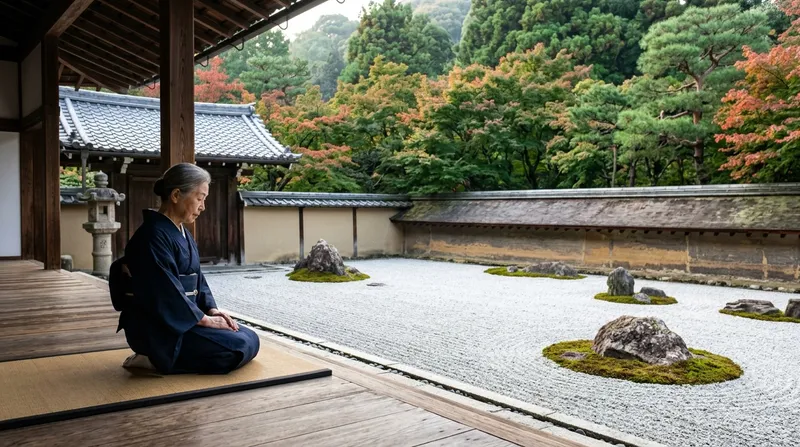
The Silent Symphony of Stones and Sand
Kyoto, the ancient heart of Japan, is a city where time has crafted layers of tranquility, wisdom, and beauty. Among its rich tapestry of cultural treasures, the Zen gardens stand as a testament to the art of silence and contemplation. Visiting these gardens is not merely an observation; it is an immersive experience that invites you to pause, breathe, and attune to the present moment.
A Brief History of Zen Gardens
Originating during Japan's Muromachi period (1336-1573), Zen gardens, also known as karesansui, were created as serene spaces for meditation. Traditionally designed by Zen Buddhist monks, these gardens use an austere aesthetic that focuses on minimalism, representing the essence of nature and the fleeting impermanence of life. Each element within a Zen garden holds profound symbolism — stones symbolize islands or mountains, sand raked meticulously into patterns reflects the flow of rivers or waves, and the emptiness is a reminder of the void, urging one to find harmony and peace within.
Stepping Into an Oasis of Calm: Ryoan-ji Temple
One of the most famous Zen gardens is located in Ryoan-ji Temple, often cited as the pinnacle of kare-sansui artistry. Its simplicity speaks volumes: 15 stones carefully placed within raked white pebbles. Visitors find themselves on the edge of understanding the serenity it represents, yet the curious placement ensures that from any vantage, only 14 stones are visible at once. This tantalizing design whispers lessons of incompleteness and the endless pursuit of perfection — a core tenet of Zen philosophy.
Adapting to the Seasons: Daitoku-ji Temple Complex
Nestled within Kyoto lies the Daitoku-ji temple, home to several smaller sub-temples, each boasting its own serene garden. These provide a diverse display of Zen philosophies and design adaptations that evolve with the seasons. The varied elements, from moss-covered grounds to stone arrangements, encourage visitors to connect deeply with the impermanence of seasons — a visual meditation that is different with each visit, depending on when the visit finds you.
The Philosophical Rakes of Ginkaku-ji
At the famed Silver Pavilion, Ginkaku-ji, the Zen garden's vast sand expanse is carefully raked into perfect cones and linear patterns, symbolizing Mount Fuji and the pure, flowing nature of water. The precise, intentional patterns meticulously maintained by monks emphasize mindfulness and the beauty of simplicity, grounding visitors and guiding them toward a state of peaceful reflection.
Crafting Your Own Zen Journey
For the uninitiated visitor, the art of viewing a Zen garden involves more than just appreciation for its aesthetic allure. As you enter these sacred spaces, allow yourself to transition from the bustling silence of the world into the contemplative quiet of your mind. Sit, breathe, and let the rhythmic ripple and rock formations guide your thoughts to stillness. The process is as transformative as the gardens themselves, reconnecting visitors with the slow, intentional rhythms that often escape modern life.
Conducting One’s Inner Dialogue
In much of Western philosophy, silence is sometimes perceived as uncomfortable or empty. Yet in the Zen tradition, it is rich with possibilities. As you immerse in the quietude of a Zen garden, an inner dialogue rooted in reflection and awareness blossoms. Each pebble and plant is part of this conversation, inviting you to consider your own place in the world with a calm heart and a clear mind.
The Takeaway: Finding Zen in Everyday Life
While the tranquil charm of Kyoto’s Zen gardens may seem an unreachable sanctuary for some, the philosophies they embody are accessible wherever you are. Embracing the art of silence and minimalist beauty in daily life can be done through mindful meditation practices or simply finding moments of peace amidst the hustle of routine. The Zen gardens of Kyoto don’t just offer wonder for those who visit physically but also present a timeless guide for inner harmony and balance.
Wandering through the timeless grasp of Kyoto’s Zen gardens is to embark on a quest for tranquility. Here, among the humble stones and clipped shrubs, lies a haven for reflection, demonstrating that sometimes the most profound conversations are those conducted in silence.