The Art of Kintsugi: Embracing Broken Beauty in Japanese Culture
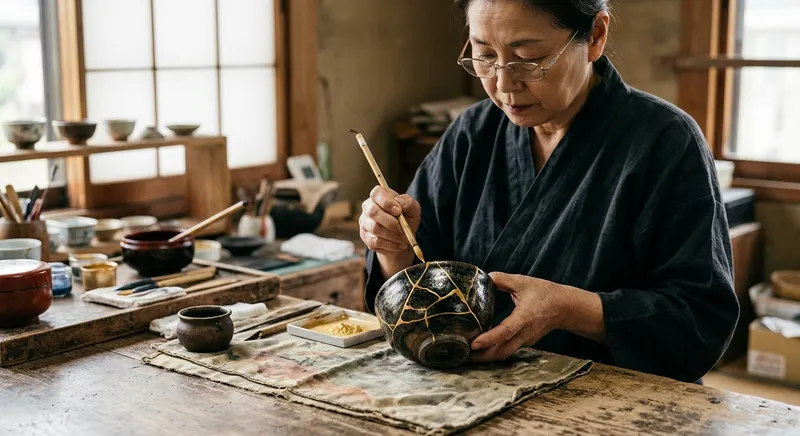
A Glimpse into Kintsugi: More than Restoration
On the surface, Kintsugi might seem like merely a method of repairing broken pottery. However, this ancient Japanese art constitutes a profound philosophy that transcends mere aesthetics to convey a unique perception of imperfections. This is a World where broken objects are not discarded but revitalized with shimmering veins of gold, representing not loss but beauty reborn. The allure of Kintsugi lies in its ability to elevate the flaws themselves, celebrating the story of each crack and shatter line.
The Philosophy Behind the Technique
In Japanese culture, Kintsugi reflects the concept of wabi-sabi, which treasures the beauty in imperfection and transience. When one ponders the idea of 'what is broken being beautiful,’ Kintsugi emerges as an art form that symbolizes resilience and resilience through adversity. Each repaired piece tells a tale—a journey of rupture and renewal, of something that should be cherished rather than hidden. It is a poignant reminder that a repaired piece, much like life itself, gathers character from its imperfections.
Historical Roots of Kintsugi
Kintsugi's origins trace back to the late 15th century. The technique was popularized during the Muromachi era under the shogunate rule of Ashikaga Yoshimasa, who, according to lore, sent a damaged Chinese tea bowl back to China for repairs. The returned item, adorned with unsightly metal staples, prompted Yoshimasa to seek a more aesthetically pleasing alternative—leading Japanese craftsmen to develop the now-iconic Kintsugi technique.
The Meticulous Craft of Kintsugi
The Traditional Technique
Kintsugi is a painstaking process that demands precision and patience. Artisans often use urushi lacquer, mixed with powdered gold, silver, or platinum, to piece together the fractured shards. Each stroke is deliberate; it's an artistic meditation. The entire process, from cleansing the shards to applying the lacquer, can span several months. The longevity and beauty of the end result depend upon each meticulous step in the procedure.
Tools and Materials
The tools of Kintsugi are as distinctive as the craft itself. Artisans typically use brushes made of soft animal hair to delicately apply the lacquer. Only premium-grade powdered gold or silver is used, ensuring that every joint glows with an almost ethereal radiance. This noble embellishment of something once shattered augments the allure of the final work, transforming it into an art piece that commands respect for both its past and present states.
Kintsugi in Modern Culture
Pottery and Beyond
While traditionally associated with pottery, the ethos of Kintsugi transcends this singular application. Contemporary artists and enthusiasts often extend the metaphorical beauty of Kintsugi to other areas of life. Its philosophy has inspired movements in fashion, design, and even wellness—a reminder that healing is a form of art. In today’s fast-paced society, where renewal often represents starting anew, Kintsugi suggests a more sustainable approach: embrace your flaws, repair, and elevate them.
The Global Influence of Kintsugi
Kintsugi has transcended its cultural and geographic origins to resonate with audiences worldwide. In an increasingly globalized society, its appeal lies in its universal message of resilience and optimism. Workshops and gallery exhibitions present modern interpretations of Kintsugi, attracting international audiences who marvel at the philosophy it champions. The globalized conversation around Kintsugi reflects a collective longing for authenticity and a reexamination of how value is perceived.
Experiencing Kintsugi First-hand
Workshops and Hands-on Learning
For those intrigued by the craft, Japan offers immersive workshops throughout its cities, from Tokyo to Kyoto. These venues provide hands-on opportunities where novices can experience Kintsugi under the guidance of master artisans. Such an experience not only teaches the technique but also immerses participants in the meditative practice that accompanies it. The tactile process allows one to slow down, appreciate the moment, and apply the Kintsugi philosophy to personal life events.
Collecting and Appreciating Kintsugi Art
For collectors and enthusiasts, acquiring Kintsugi art provides a direct connection to its philosophy and history. Authentic pieces can be found in artisan shops and galleries across Japan, each a testament to the skill and patience of the craftsman. Whether a collector or a curious newcomer, owning a piece of Kintsugi means holding a slice of its legacy—admiring the marks of the past, now transformed into something wholly new and extraordinary.
In a World where disposability has often overshadowed repair, Kintsugi teaches us to see beauty in imperfection and to appreciate the narratives held within every break and repair. More than an art form, Kintsugi offers a life lesson—imperfection does not diminish value; rather, it enhances it through the golden threads of resilience.