Bazaars of Istanbul: A Sensory Voyage Through Ancient Trade Routes
Introduction
Istanbul, a city straddling two continents, serves as a living narrative of cultural amalgamation. Nowhere is this convergence more evident than in its bazaars—an intricate tapestry of sights, sounds, and scents that offer a glimpse into the heart of both past and present commerce.
Visiting a bazaar in Istanbul isn’t just a shopping expedition; it’s a cultural immersion into the traditions that have defined trade over centuries. From the hallowed halls of the Grand Bazaar to the bustling spice stalls of the Egyptian Bazaar, a journey through these markets serves as a passport to an ancient and ongoing narrative of human enterprise.
Echoes of History: The Grand Bazaar
The Labyrinth Unveiled
Stepping into the Grand Bazaar is akin to entering a labyrinth that whispers stories of ancient merchants who once traversed the Silk Road. This market, dating back to 1455, is one of the largest and oldest covered markets in the world, sprawling over 30,000 square meters and housing over 4,000 shops.
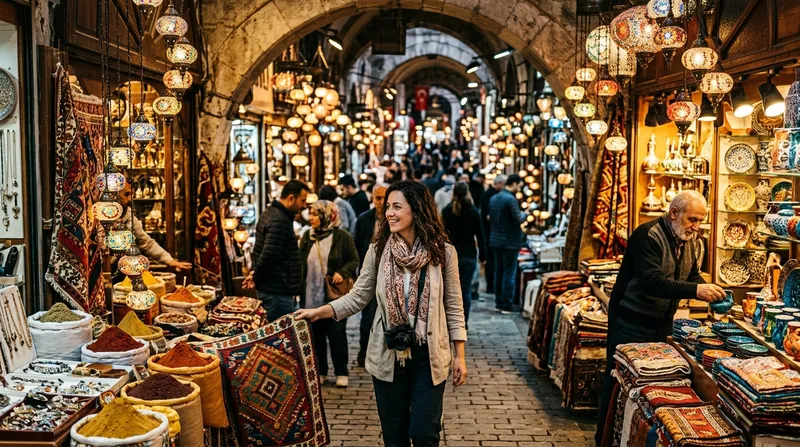
Wandering through its bustling lanes, visitors discover an array of Turkish carpets, exquisite jewelry, hand-painted ceramics, and vibrant textiles. The architecture itself—the intertwining of arches and domes, the intricate tiling and stonework—commands one to ponder the artisanship of bygone eras.
The Bartering Experience
For the uninitiated, the art of bartering is an essential component of the bazaar experience. More than just an economic transaction, it's a dance of psychology and social ritual. Sellers, steeped in generations of mercantile tradition, beckon you with tales of their products' origins, turning every purchase into a story.
The Fragrant Corridor: The Egyptian Bazaar
Spices and Sounds
Located adjacent to the bustling wharf of Eminönü, the Egyptian Bazaar—also known as the Spice Bazaar—is the aromatic counterpart to its more colossal sibling. Established in 1664, it originally served as a marketplace for the lucrative trade in spices from the East.
The air here is a medley of spices and dried herbs, ranging from rich saffron to pungent sumac, tantalizing the senses. As you navigate your way through the narrow passages, the melodic calls of vendors blend with the scent of Turkish delight and sweet börek, creating an intoxicating symphony that captures the spirit of Istanbul.
A Melange of Cultures
Spices have always been more than mere ingredients; they are cultural touchstones. Each spice carries with it the story of far-off lands, maritime expeditions, and cultural exchanges that shaped empires. The bazaar not only offers a vast array of flavors but also insights into the diverse influences that have blended to form the Turkish culinary landscape.
Modern Istanbul Meets Ancient Traditions
Preserving Heritage in a Contemporary World
Amidst all their historic allure, Istanbul’s bazaars are not museums; they are living organisms continually adapting to the modern world. This juxtaposition of old and new is visible in shops selling items crafted by contemporary Turkish designers, offering unique spins on traditional crafts.
Moreover, bazaars are seeing a renaissance as community spaces—venues for art exhibitions, cultural festivals, and culinary pop-ups, blending the old with the new in a way that pays homage to the city’s multifaceted identity.
Navigating the Present-Future of Bazaars
As urbanization and technology redefine commerce, Istanbul’s bazaars embrace digital innovations such as e-commerce platforms and online marketing. Still, at their core, these markets continue to serve as vital arteries of social interaction, where stories and traditions are exchanged alongside goods.
Conclusion
The bazaars of Istanbul are more than mere markets; they are microcosms of the city's soul. In their winding lanes, whispered histories and vibrant futures coalesce, inviting every visitor not just to shop but to experience.
Whether you're a seasoned traveler or a curious wanderer, exploring these iconic markets offers a kaleidoscope of cultural insights. They beckon you to not merely witness, but participate in, a tradition that has been central to the very heart of this enduring, ever-evolving city.