Whale-Watching Wonders: Tailored Tips for Spotting Giants at Sea
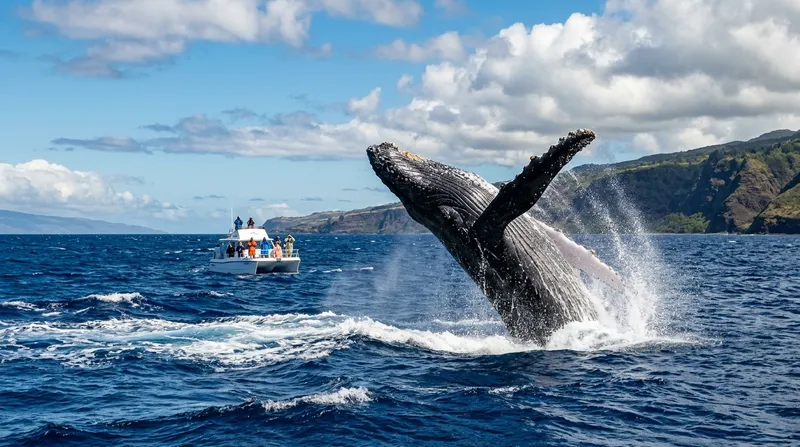
Few experiences can rival the awe-inspiring sight of a majestic whale breaching the ocean's surface; its colossal form defying gravity. Whale watching, once the pursuit of marine biologists and dedicated enthusiasts, has grown into an accessible and popular activity for adventurers around the globe. Here's how to make the most of your whale-watching excursion.
Finding the Perfect Spot
Tailored Timing and Locations
While whales traverse vast oceanic corridors, specific locations offer prime viewing opportunities to witness these giants of the sea. Head to Hermanus in South Africa between June and November to catch a glimpse of the Southern Right whales in their breeding grounds, or venture to the coastal town of Kaikoura in New Zealand, where sperm whales frequent the waters year-round.
In the chilly embrace of Monterey Bay, California, visitors can enjoy sightings of grey whales, blue whales, and humpbacks from April to December, as these cetaceans follow their migratory pathways. Meanwhile, the nutrient-rich waters of the Azores archipelago in the North Atlantic provide an optimal habitat for whales, with multiple species making appearances from spring through autumn.
Choosing the Right Whale-Watching Tour
Balancing Comfort with Adventure
When selecting a whale-watching tour, pay close attention to the type of vessel used. Some tours offer intimate, small-boat experiences that bring you closer to the water and its inhabitants, whereas larger ships afford a more stable ride and greater comfort with onboard amenities.
For the eco-conscious traveler, look for tour operators certified by marine protection programs, which ensure adherence to guidelines that minimize the disturbance to marine life. These certifications often reflect a commitment to sustainability and responsible tourism, vital for preserving the delicate balance of our oceans.
Tips for Spotting and Capturing the Moment
Eyes on the Horizon: Spotting Techniques
Pack a pair of binoculars to enhance your chances of spotting the first spray of a whale's spout or a distant tail slap. While on the tour, scan the horizon methodically, looking for clues such as erratic waves or birds hovering above potential feeding grounds.
Position yourself on the boat's upper deck for a broader field of view. As whales surface to breathe, you'll often see a sudden, explosive burst of white mist—an unmistakable sign that a giant is near.
Photography Prowess
Capturing the perfect shot requires patience and a bit of luck. Set your camera to fast shutter speeds to counter the movement of the boat and whales. Use a telephoto lens for close-ups without intruding on their space, and consider shooting in burst mode to increase the odds of freezing a dynamic moment.
Practicing Respectful and Responsible Whale Watching
Understanding Whale Behavior
Whale watching is more than a spectacle; it is an opportunity to learn about these complex creatures. By understanding common behaviors such as breaching, spy-hopping, and tail-slapping, you not only enhance your own experience but also gain a deeper appreciation for the whales' interactions and communications.
Protecting Marine Environments
Always adhere to guidelines regarding safe distances from whales, typically 100 meters or more unless permitted otherwise by local regulations. Encourage responsible tourism by supporting tour operators who engage in and promote ocean conservation efforts.
Closing Thoughts
Whale watching offers a soul-stirring connection to nature's grandeur. Whether you're a novice whale watcher or a seasoned expert, each outing is a chance to marvel at one of our planet's most captivating species, reminding us of the beauty and fragility of the world's oceans. Step aboard with respect and curiosity, and let the sea unfold its secrets before your eyes.