Tide Sculptors and Salted Paths: Uncovering the Secrets of France's Salt Marshes
Introduction: A Dance of Salt, Sea, and Time
In the hushed corners of France's Atlantic coastline, where the land meets the sea in a ballet of ever-changing hues, lie the storied salt marshes—the salines—of France. Stretching across regions like the Gironde and the famed Île de Ré, these marshes are both crucibles of a centuries-old tradition and havens of biodiversity.
The Craft and Craftsmanship of Salt Harvesting
A Tradition Rooted in Time
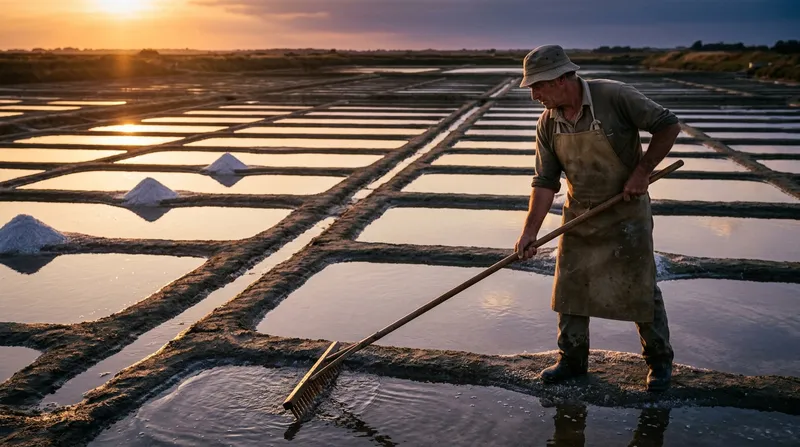
Salt extraction by hand is more than mere labor; it is a meticulously choreographed dance passed down through generations. The paludiers, or salt workers, harness the sun and wind to draw the salt from evaporated sea water. With wooden rakes, they carefully gather the precious white crystals into neat piles known as "camelles".
Tools of the Trade
Tourists are often fascinated by the simple yet ingenious tools used in salt production. The las is a shovel fashioned to float atop the water's surface, guiding the salt to its resting place with a precision that has not changed for hundreds of years. The work is intuitively climatic, adjusting for every inflection of the weather—when it rains, the salt workers wait; when it shines, they race against time.
A Biodiversity Gem: Flora and Fauna Amid the Salt Flats
An Ecological Symphony
Beyond their cultural significance, the salt marshes are vibrant ecosystems teeming with life. They are crucial stopovers for migratory birds. In the glazed sunlight, flocks of avocets and flamingos feast in the shallow waters, while shy egrets dart amidst the marsh grasses.
Plants Adapting to a Salty Symphony
The vegetal life here has adapted to withstand the saline extremes. Look out for the rare sea lavender and glasswort, their fleshy forms stubbornly thriving amidst the salted plains. These plants are not just survivors but essential components of the delicate marshland system.
The Alchemy of Salt: From Marsh to Table
Refined Steps to Purity
After harvesting, the salt undergoes a gradual transformation. It is meticulously cleaned, every grain splashed by ocean spray brought back to its elemental purity. Chefs across the globe prize the resulting fleur de sel, known for its delicate texture and complex, mineral-rich flavor.
Salt as a Cultural Meld
The journey from marsh to market intertwines with local lore and regional pride. In Brittany and beyond, markets buzz with artisans selling sea-salted caramels, marinated olives, and preserves, each infused with the briny essence of their marshland roots.
Navigating the Salt Routes: Practical Tips for Travelers
When to Visit: Seasons of Salt
The salt marshes are most alive in summer, from May to September, when the sun’s swelter is perfect for salt crystallization and migratory birds abound. Arrange for guided tours to learn from the local paludiers, who will share tales of their craft as passionately as they do the fruits of their labor.
Exploring Responsibly: Environmental Stewardship and Safety
Visitors should tread lightly in these fragile environments. Stick to marked trails to minimize impact on wildlife, and avoid disturbing the intricate patchwork of salt pans.
With its blend of ancient tradition and ecological wonder, the salt marshes of France offer travelers a chance to connect deeply with earth, sea, and sky. The march of the tides here carves not just salt but stories of resilience and timelessness, inviting one to reflect on the simplicity and complexity of nature’s grand design.