Mystical Masai Mara: Witnessing the Great Migration and Rites of the Savanna
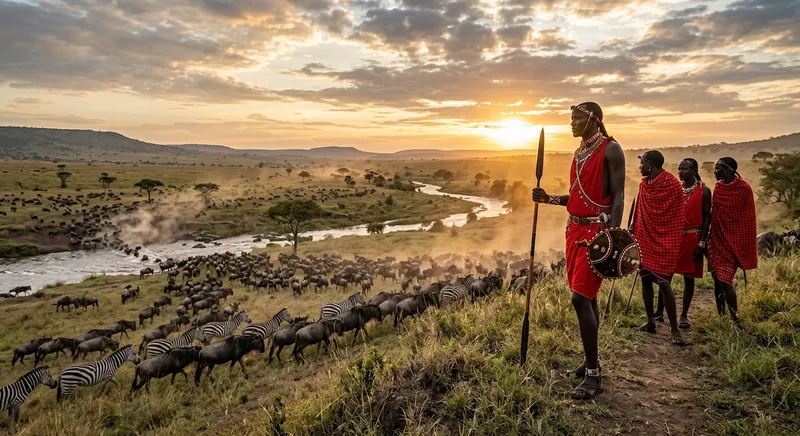
Introduction to the Masai Mara
Enveloped by the expansive plains of southwestern Kenya lies the Masai Mara National Reserve, a land where nature's grandeur unfolds in untamed majesty. Often overshadowed by the more populous Kruger or Serengeti, the Masai Mara nevertheless holds its own as a premier destination for wildlife enthusiasts and cultural explorers. With its abundant wildlife, ancient cultures, and natural beauty, the Masai Mara is a canvas painted with nature and heritage working hand in hand.
The Spectacle of the Great Migration
Every year, typically between July and October, the Masai Mara becomes the stage for one of earth’s most staggering wildlife spectacles: the Great Migration. Millions of wildebeests, zebras, and gazelles churn the red soil in synchronized motion, fulfilling an ancient instinct to traverse from Tanzania's Serengeti National Park to the fertile soils of the Mara.
The Crossing
The Mara River crossing is arguably the most dramatic and treacherous part of the migration. Imagine thousands of animals hurtling through crocodile-infested waters, the air tense with primal anticipation. Visitors to this phenomenon are treated to a mix of awe, tension, and respect for the sheer tenacity embedded in the natural order. From viewing decks of tour lodges or guided safari vehicles, you can experience the intense drama of survival, a poignant reminder of the circle of life.
Predators on the Prowl
As herds move across the Mara plains, predators watch with keen eyes from grassland vantage points. Lions, cheetahs, and leopards exploit this abundance, offering unforgettable sightings to those willing to wait and watch. Each sighting is unique, a silent testament to the unforgiving realities that drive the wilderness' balance.
Embracing Maasai Traditions
Yet, the allure of the Masai Mara extends beyond its riveting wildlife encounters. It’s also a sanctuary for the Maasai people, renowned for their vibrant culture and resilience. These semi-nomadic pastoralists have lived in harmony with this land for centuries, their lifestyle a kaleidoscope of vibrant customs and deep connections to the savanna.
Traditional Villages
Visiting a Maasai village offers a window into traditions that have withstood the test of time. The community's iconic red shuka robes and intricate beadwork are not mere artefacts; they are symbols of identity and tradition. Guests are often greeted with energetic dances that recount stories of the past, allowing travelers to partake, if only briefly, in the Maasai's rich narrative of endurance and kinship.
A Walk with Warriors
Guided nature walks led by Maasai warriors offer a unique blend of storytelling and survival skills. As you tread along ancient footpaths, you learn about the medicinal properties of native plants, age-old animal tracking techniques, and the constant vigilance required to protect livestock from predators. These walks are more than an exercise in tourism—they are lessons in resilience and adaptation.
Practical Travel Tips for the Masai Mara
Visiting the Masai Mara requires some forethought. Here are few practical tips to make your visit as seamless as it is extraordinary.
When to Visit
The best time to visit aligns with the Great Migration, from July to October. However, the Mara teems with life year-round, with calving seasons offering serene, yet equally captivating scenes.
What to Pack
Opt for lightweight, breathable clothing in neutral tones to blend into the environment. Binoculars and a good camera are essential for capturing the intricate details of this wildlife wonderland. Don’t forget insect repellent, sunscreen, and a wide-brim hat—a reminder of Africa’s sunlit embrace.
Navigating the Reserve
Consider booking through a reputable safari operator that values sustainability and local partnerships. Many camps and lodges are eco-friendly and offer guided tours led by Maasai locals, ensuring that tourism supports the community and preserves the environment.
Conclusion
The Masai Mara is more than just a setting; it is an experience that resonates long after the horizon fades from view. Whether it’s feeling the pulse of the Great Migration or stepping into the lived history of the Maasai people, this corner of Kenya offers a wealth of memories that intertwine the wild and the wonderful. It's where nature’s narrative is relentless and profound, asking you not just to witness, but to belong.