19th Century Splendor: Unearthing the Architecture of Buenos Aires' Recoleta
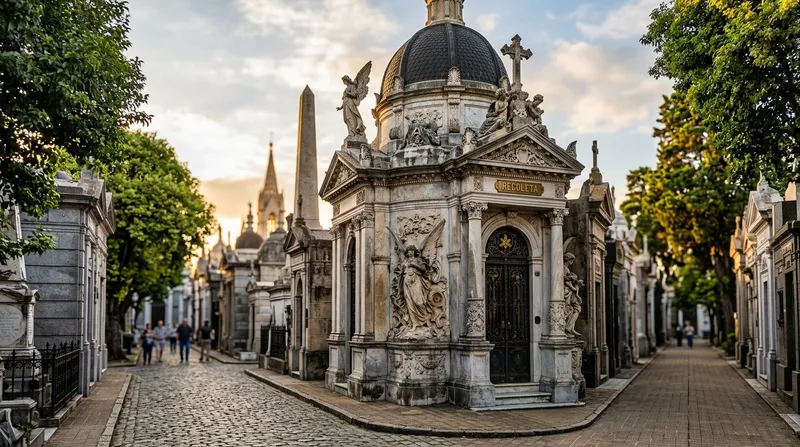
Stepping into a Time Machine: The Enchanting Recoleta
Nestled in the heart of Buenos Aires, the Recoleta neighborhood has often been described as a slice of Paris in the southern hemisphere. Known for its ornamental architecture and storied past, Recoleta invites you to meander through its leafy avenues and imposing edifices, offering a profound insight into Argentina's cultural and historical evolution.
A Walk Through History: From Colonial Roots to Mythical Grandeur
Originally farm land in the 18th century, Recoleta's transformation began as the Buenos Aires elite embraced European architectural styles in the late 19th century. The era of prosperity in Argentina, known as the 'Belle Époque', left an indelible mark on the neighborhood. As you wander through its streets, gaze at the majestic facades adorned with intricate ironwork, grand columns, and opulent sculptures, reminiscent of a time when Buenos Aires was a powerhouse in world trade.
The Recoleta Cemetery: An Open-Air Museum
Beyond its architectural allure, Recoleta is perhaps best known for its cemetery—a labyrinth of ornate mausoleums that stand as eternal guardians of Argentina's heroes and icons. Here lies Eva Perón, a poignant figure in Argentina's history, among other illustrious luminaries. Each tomb tells a story, crafted from marble and enshrined with statues that whisper the legacies of the past. The cemetery is not merely a place for reflection but a canvas depicting Argentina's cultural narrative.
Cultural Hubs Sprinkled Among Ruins and Opulence
Recoleta isn't purely a relic of the past; it buzzes with vibrant cultural life. The Centro Cultural Recoleta offers a dynamic space for contemporary art exhibitions, music performances, and workshops—a bridge connecting the past with the present. Just a stone's throw away lies Buenos Aires Fine Arts Museum, housing collections that feature both European masters and Latin American trailblazers, inviting art enthusiasts to lose themselves in its hallowed halls.
Gastronomy: Culinary Delights Amidst Architectural Elegance
Cafés and restaurants line the tranquil streets of Recoleta, many offering alfresco dining experiences that allow you to savor the neighborhood's ambiance. Indulge in a culinary exploration starting with Argentine classics like flavorful empanadas or indulge in a sumptuous steak paired with a glass of Malbec—the emblematic wine of the region. The infusion of European and Latin influences is palpable in every bite, a gastronomic parallel to Recoleta's architectural fusion.
Discovering the Soul of Recoleta: Local Interactions
Amidst the historical allure of Recoleta, its people breathe life into its streets. Engaging with local artisans at weekend fairs reveals the intricate handcrafts that echo Argentina’s mixed heritage. Talented musicians serenade passersby, transforming the neighborhood into an open-air concert hall where tango rhythms beckon you to sway to their tempo.
Planning Your Visit: When and How to Experience Recoleta
The best time to visit Recoleta is during the Argentine autumn (March to May) or spring (September to November) when mild temperatures and vibrant foliage offer the perfect backdrop for exploration. The neighborhood is easily accessible from central Buenos Aires and public transport or short taxi rides provide convenient travel options.
Conclusion: A Timeless Journey Awaits
Recoleta stands as a testament to the era where the past meets the present, and opulence coexists with urbanity. This enchanting neighborhood not only captivates visitors with its elegance but also offers a rich tapestry of stories to uncover—a place where history, culture, and architecture converge in a harmonious symphony. Whatever your interest, Recoleta invites you to delve deeper, promising an unforgettable Buenos Aires experience.